
Affordable Website Design for Small Businesses: What You Need to Know If you’re a small business owner, you already know that every cent counts. But one area where you shouldn’t cut corners is your website. A professional online presence builds trust, drives sales, and helps your business grow. The good news? You don’t need to spend a fortune. Affordable website design is within reach—and it can still deliver real results. At Webspace Design, we specialise in building cost-effective websites for small businesses across South Africa. Whether you’re just starting out or need to upgrade your existing site, we offer solutions that are both affordable and strategic. Why Every Small Business Needs a Website Your customers are online. Before making a purchase or booking a service, most people start with a Google search. If they don’t find you, they’ll find someone else. Having a website helps you: Build trust with potential clients Show what products or services you offer Make it easy for people to contact you Improve your visibility in local search results Compete with larger businesses on a level playing field Even a simple 3-page website can do all of this—if it’s built right. What Makes a Website “Affordable”? Affordable doesn’t mean cheap. It means getting real value without overspending. An affordable website is one that fits your budget and helps you grow. Here’s what to expect in an affordable website package: Custom design that reflects your brand Mobile-friendly layout Basic SEO setup Clear calls to action Fast load speeds Secure hosting Affordable Website Design for Small Businesses Easy content updates via WordPress At Webspace Design, we offer complete packages starting from R599 per month, which includes design, hosting, maintenance, and even social media support. What’s Included in Our Affordable Website Package? We’ve created a budget-friendly plan specifically for small business owners. Here’s what you get: 3 Custom Pages – Ideal for Home, About, and Contact or Services. Mobile Responsive Design – Your site will look good on all devices. WordPress CMS – You can edit your own content without needing a developer. SEO Basics – Meta titles, descriptions, and fast-loading pages. Monthly Maintenance – We handle updates, backups, and security. Hosting Included – Reliable and secure hosting is part of the deal. Optional Add-ons – Need more pages, a blog, or booking form? We can build that too. This is ideal for small businesses like hair salons, plumbers, consultants, freelancers, legal services, real estate agents, and other service-based professionals. Why We Focus on Small Business We know how hard it is to grow a business. We’ve helped dozens of entrepreneurs get online quickly without spending thousands. Many of our clients had no website before they came to us—or they had a site that didn’t work on mobile or show up on Google. AFFORDABLE WEBSITE PACKAGES We believe every small business deserves a professional online presence. That’s why we focus on simple, affordable websites that are easy to manage and built to convert visitors into customers. What Makes a Small Business Website Effective? It’s not about fancy animations or long videos. Small business websites need to be: Clear and easy to navigate Focused on what the customer needs Optimised for search engines Built for fast loading Designed with mobile users in mind We take care of all of this. You don’t need to be a tech expert. We guide you through the process, write the content if needed, and deliver a site that works. The Benefits of Choosing Webspace Design We’ve built a simple system that works for small businesses: We Learn About Your Business – A short discovery session to understand your goals. We Design Your Site – You get a preview to approve. We Launch It – Your new website goes live and is ready to generate leads. We Maintain It – Monthly updates, backups, and support keep your site running. We work fast, we communicate clearly, and we keep things simple. No jargon. No hidden costs. Just real results. Real Results from Real Small Businesses Some of the businesses we’ve helped include: A Cape Town cleaning company that now gets 20+ leads a month from their website A consulting firm that went from no online presence to a polished website that brought in new contracts A wellness coach who now books sessions directly from her mobile-friendly site They all started with a basic site—and upgraded as they grew. That’s the beauty of our approach. You can start small and scale up over time. Why Affordable Design Doesn’t Mean Low Quality Many people think low cost means low value. But that’s not the case with Webspace Design. We use proven design principles, modern frameworks, and SEO best practices in every project—regardless of the package. Affordable Website Design for Small Businesses We remove the fluff, focus on what matters, and give your business the online presence it needs. You’re Not Just Getting a Website You’re getting: A digital sales tool A lead-generation machine A 24/7 representative of your business And you’re getting it all for a fraction of what larger agencies charge. Ready to Build Your Website? If you’re looking for affordable website design that helps you grow, we’re ready to help. We don’t just build websites. We build tools that help small businesses win online.

What Features Does a Business Website Need?
If you’re building a new website for your business or thinking about upgrading your current one, it’s important to focus on what matters. A business website is more than a digital business card. It’s a core tool for converting visitors into leads and sales. The right features will help you earn trust, attract search traffic, and support your goals. Here’s what your business website should include. 1. Mobile Responsiveness Most website visitors are on smartphones or tablets. Your website must look and work well on all screen sizes. A mobile-responsive site adjusts the layout automatically, keeping the content easy to read and the navigation easy to use. Without this, users leave fast—and Google will push your site lower in search results. 2. Fast Load Speed Slow websites kill conversions. Visitors don’t wait for pages to load. A good website loads in under three seconds. Use compressed images, efficient code, and proper hosting to make sure your pages run fast. Page speed also affects your search engine ranking. Google factors in performance when ranking pages. A fast site improves both user experience and SEO. 3. Clear Navigation Visitors need to find what they’re looking for quickly. Keep your menu simple. Group your content logically. Use common terms like “Services,” “About,” and “Contact.” Every page should be accessible within two or three clicks. Avoid clutter. Give users an easy path to learn about your business and get in touch. 4. Strong Calls to Action Every business website needs a goal. Whether it’s to book a consultation, request a quote, or make a purchase, your site must guide users to take action. Use simple, direct call-to-action (CTA) buttons like: “Book a Free Call” “Get a Quote” “Start Your Project” Place your CTAs in visible spots—above the fold, at the end of each section, and in the header and footer. 5. Professional Design First impressions matter. Visitors judge your credibility based on how your site looks. Use clean layouts, consistent fonts, quality images, and a color palette that reflects your brand. Avoid generic stock imagery where possible. Good design also supports usability. Make sure text is easy to read, buttons are clear, and nothing feels outdated. 6. Clear Messaging Tell visitors what your business does, who it helps, and how it works. Your homepage should answer: What do you offer? Who is it for? What makes you different? What should someone do next? Write in plain language. Avoid jargon. Make your message simple and easy to understand in a few seconds. 7. Contact Information Make it easy for people to reach you. Include: A contact form Phone number Email address Physical address (if relevant) A Google Map Add these details to your contact page and the footer of every page. This builds trust and improves your local SEO. 8. Search Engine Optimization (SEO) A good business website needs to be found. Every page should be optimized for search. That includes: Unique page titles and meta descriptions Headings with relevant keywords Fast-loading images with alt text Structured data (schema markup) Clean URL structure Create pages for each of your services, write blog content that answers real questions, and update your site regularly. 9. Trust Signals Show visitors that your business is credible. Use trust-building features like: Reviews and testimonials Case studies Certifications Client logos Guarantees or refund policies You can also link to your Google Business Profile, social media accounts, and include your company registration number or professional accreditations if applicable. 10. Analytics and Tracking You need data to make decisions. Install Google Analytics and Google Search Console. These tools show how people find your site, what they do, and where they drop off. Tracking helps you improve content, measure your marketing, and see how your site contributes to business growth. 11. Secure Hosting and SSL Certificate Your site must be secure. Hosting should be fast, reliable, and backed up regularly. You also need an SSL certificate—this is what changes your URL from http to https and shows the padlock icon in browsers. SSL encryption is now standard. It protects your users and boosts your search ranking. 12. Blog or Content Hub A blog helps you drive traffic, build authority, and improve SEO. You can answer common questions, explain services, or share news. Regular content keeps your site fresh and shows that your business is active. It also gives you content to share on social media and use in email marketing. 13. Social Proof and Sharing Tools Make it easy for users to share your content or follow your profiles. Add links to your social platforms. Use sharing buttons on your blog posts. Let visitors see real interactions from your community. AFFORDABLE WEBSITE DESIGN This increases engagement and helps spread your brand. 14. Legal Pages Every business website needs: A Privacy Policy Terms of Use Cookie notice (if using tracking tools) These pages build trust and ensure you comply with regulations like POPIA or GDPR, depending on your market. 15. Scalable CMS Choose a platform that supports your growth. WordPress is popular for a reason: it’s flexible, easy to use, and SEO-friendly. It allows you to update your own content and scale your website without rebuilding from scratch. Final Thoughts A business website should be simple, clear, and goal-driven. It should reflect your brand, answer key questions, and guide users to take action. Make it fast, mobile-friendly, and easy to navigate. Keep it secure and optimized for search engines. If you need help building a site with all the right features, we can guide you every step of the way.

How to Structure a High-Converting Website Homepage
A homepage is your first impression. It must guide visitors quickly, show value, and prompt action. Follow this structure to boost conversions and meet business goals. 1. Clear Value Proposition (150‑200 words) Start strong. Show visitors what you do and why it matters. Headline: Summarize your offer in one sentence. Supporting statement: Add a second line that explains how you solve problems. Visual: Use an image or graphic showing your solution in action. Primary CTA button: Use a clear action like “Get Started,” “Book a Call,” or “See Plans.” Example: Headline: “We build websites that generate leads.” Supporting: “Your site will work for your business—day and night.” CTA: “Request Your Quote” This section must load fast and remain visible on mobile without scrolling. 2. Client Benefits (200‑250 words) Upsell your value with features turned into benefits: Avoid generic claims like “we do social media.” Use clear benefits such as: “Get consistent branding and engagement.” Format in bullet form or icons with short headers and sentences. Example: More leads: “Your site will encourage action with clear calls.” Save time: “We handle updates, security, and backups.” Scale easily: “Add pages and services without extra fees.” Place a secondary CTA at the end: “See Our Services” or “Explore Features.” 3. Social Proof (200‑250 words) Build trust and credibility. Include real testimonials with name, role, and, if possible, a photo. Add industry-specific case study highlights. Display review stars or badge icons (Google, Clutch, DesignRush). Example testimonial layout: “The new site doubled our monthly inquiries.”— Jane Smith, Marketing Manager at ABC Co. Place another CTA here to catch those made confident by these stories. 5. How It Works Section (200‑250 words) Outline your process in simple steps: Discovery: Talk and understand your client’s goals. Design: We create layouts and gather feedback. Build: We develop a mobile-friendly site. Launch: We publish and test. Support: We maintain and update monthly. You can use icons or simple illustrations for each step. Include a CTA like “Start Your Project.” 6. Services Snapshot (200‑250 words) Showcase what you offer: Custom Website Design Monthly Maintenance & Hosting Social Media Support SEO & Performance Optimisation Add a brief summary and link buttons like “View Web Design Plans.” WESITE DESIGN SERVICES 7. About or Trust Indicators (150‑200 words) Give context about your company: Brief bio: “We are Webspace Design. We help SMEs build web presence.” Years of experience, certifications, or awards. Logos of past clients or partners (e.g. “In partnership with DesignRush”). This builds credibility for those unsure about conversion. 8. FAQs (200‑250 words) Answer key questions to reduce visitor hesitation: “How long does a website take?” “What is included in your service package?” “Can I update content myself?” “What platforms do you use?” Use collapsible FAQ to keep the section tidy. End with a CTA like “Still have questions? Let’s talk.” 9. Final CTA Section (150‑200 words) End with a clear and focused call to action: Need a website that gets leads every day?Start your project today.[Book a Free Strategy Call] [Get a Quote] Make sure this CTA is highly visible and repeats your main offer or value. Technical & UX Considerations (200‑250 words) Ensure structure has strong UX and technical setup: Mobile-first design: Check layouts and fonts on mobile. Fast load speed: Optimize images, minimize CSS, enable caching. Schema markup: Add Organization, WebSite, FAQ schema via JSON‑LD. Internal links: Link to relevant pages like Pricing, Blog, Contact. Analytics: Set up Google Analytics and Search Console. These steps improve user experience and SEO ranking. A/B Testing & Optimization (150‑200 words) Continue improving after publish: Headline tests: Try variations like action-oriented vs. question. CTA tests: Compare button text, color, and placement. Hero image: Test client photo vs. product lead form. Section order: Experiment with services vs. trust elements order. Track engagement with Hotjar or Google Optimize to guide adjustments. Tracking Results & KPIs (150‑200 words) Measure performance to validate improvements: Conversion rate ( form submissions ÷ sessions ) Click-through funnel ( hero → services → quote request ) Bounce rates for page sections Session duration and scroll depth to check content effectiveness Use Google Analytics and heatmap tools to refine your design and content continuously. Wrap-up (100‑150 words) A homepage built on this structure guides visitors through a targeted journey—from learning what you do, understanding benefits, seeing trust signals, and taking steps to convert. Each section works to educate, inform, and prompt the right action. And remember: always test, measure, and improve. Let’s Make Your Homepage Convert Need help designing or improving your homepage? We build high-converting websites that boost leads and grow businesses. 👉 Get in Touch👉 SEE OUR WORK

New Trends in Commercial Real Estate Marketing
Marketing commercial real estate is not what it used to be. A “To Let” sign on a busy street or a listing in the newspaper no longer fills offices, retail units, or industrial warehouses. Attracting tenants, buyers, and investors requires more than traditional methods. It demands strategy, visibility, and a level of creativity that can feel exhausting if you’re used to simpler approaches. The good news is, there are clear trends emerging in commercial real estate marketing, and understanding them can make your job easier and your results stronger. Digital Presence Is Mandatory Your first impression is no longer the property itself, it’s your online presence. Potential tenants and investors begin their research online. They check websites, compare options, read reviews, and map locations long before they pick up the phone. Websites that are slow, outdated, or confusing drive prospects to competitors. A strong, mobile-friendly website has become essential. Listings need to be clear, easy to navigate, and up-to-date. SEO also plays a role here: optimizing your site for search engines ensures potential clients actually find your properties. If your website isn’t structured for modern commercial real estate marketing, it’s actively working against you. Gone are the days when a single photo could sell a property. Clients expect video and interactive content. Drone footage, 360-degree tours, and short walkthrough videos are now standard for high-quality commercial listings. Video marketing does more than show property, it saves time, communicates scale, and lets potential tenants engage with your offerings without visiting in person. A short, authentic video can convey more than a dozen photos ever could. Properties with video content also perform better in digital campaigns and social media feeds. Data-Driven Marketing Is Non-Negotiable Marketing in commercial real estate has gone scientific. Analytics and data tools allow agencies to target prospects by location, industry, company size, or behavior. Google Ads, LinkedIn campaigns, and retargeting ads now make it possible to reach the exact audience most likely to convert. The point isn’t to bombard people with ads, it’s to make every impression count. Data-driven strategies reduce wasted spend and focus resources where they make a difference. Even small agencies can now compete with larger players if they leverage the right insights. Content Marketing Builds Authority Content marketing isn’t just for blogs or social media—it’s a credibility tool. Writing about property trends, leasing tips, or market insights demonstrates expertise without overtly selling. This approach earns trust and nurtures leads who may not be ready to commit immediately. Consistently producing content can feel tedious, but it’s one of the most effective ways to remain visible to decision-makers. Even a short blog post explaining zoning rules or industrial property trends can generate engagement from an audience that matters. Find out more on our Content Creation Services for Real Estate Companies Social Media for Commercial Real Estate LinkedIn has emerged as a surprisingly powerful tool for commercial property marketing. Sharing case studies, property highlights, market insights, or client success stories can position you as a credible authority. Instagram and Facebook remain relevant for visual storytelling, while LinkedIn reaches decision-makers directly. Posting consistently and in the right format is more important than posting everywhere. It’s about quality and relevance over quantity. Social media also supports lead generation campaigns, retargeting, and brand awareness. You don’t need viral content; you need content that works for your audience and communicates your expertise. Highlighting Sustainability and Amenities Tenants and investors increasingly look for properties with sustainable features, energy efficiency, and modern amenities. Marketing these aspects clearly can make your listings more attractive. Sustainability isn’t just a buzzword. Buildings with energy-efficient systems, modern facilities, or environmental certifications attract tenants willing to pay for long-term savings. Highlight these features online, in brochures, and on social media. Missing this step can make a property feel outdated even if it’s otherwise perfect. Automation and CRM Integration Managing leads is one of the most time-consuming aspects of commercial real estate marketing. Automation tools and CRMs allow agencies to respond quickly, nurture leads, and track engagement without losing the personal touch. Automated property alerts, follow-up emails, and lead tracking make processes smoother, but they don’t replace personal contact. A quick, timely follow-up from a real person paired with automation gives clients confidence and keeps prospects engaged. Local SEO Matters More Than Ever Commercial properties often depend on location-based searches. Tenants frequently search “office space for lease near me” or “industrial warehouse Johannesburg.” Optimizing for local SEO ensures your properties appear when potential clients are actively searching. Local SEO tactics include: Google Business Profile optimization Accurate business listings and directories Local keywords in website copy Encouraging online reviews Without these steps, even the best properties can remain invisible to your target audience. Email Marketing Isn’t Dead Email marketing often gets overlooked, but it remains one of the most direct ways to nurture leads. Sending property updates, leasing news, or market reports keeps your audience informed and engaged. Segmenting your list is crucial. A message about office space in Cape Town should not go to someone interested in retail units in Durban. Relevant content keeps your contacts reading instead of unsubscribing. No single marketing tactic works alone anymore. Websites, social media, email, SEO, and paid ads perform best when integrated. Automation, analytics, and targeted campaigns all feed into a bigger strategy. The agencies that succeed combine multiple channels in a coherent plan instead of relying on one or two old-school methods. Why Agencies That Adapt Succeed The commercial real estate landscape has changed. Agencies that embrace online marketing, data-driven insights, content strategies, and automation see results. Those that stick to outdated methods slowly lose visibility, leads, and credibility. Adapting doesn’t have to be overwhelming. Start small: improve your website, highlight sustainability features, post updates on LinkedIn, or try video tours. Each small step compounds over time, and eventually, it becomes a system that consistently attracts and converts leads. Marketing trends are moving fast, and keeping up can feel impossible while managing listings, tenants, and negotiations. You don’t have to do it alone. We help commercial real

DMA Hydraulics
Client Spotlight: DMA Hydraulics – A Website Revamp with Room to Grow We’re excited to welcome DMA Hydraulics as one of our latest clients. With over 30 years of experience in hydraulic system repairs and maintenance, DMA Hydraulics is well known for its specialised work across the marine, industrial, and construction sectors. When they approached us, their existing one-page website no longer reflected the scale or credibility of their business. They needed something more modern, functional, and scalable—and we were ready to deliver. The Challenge DMA’s previous website was limited in both design and functionality. It lacked depth, mobile responsiveness, and search engine structure. More importantly, it didn’t showcase the company’s wide-ranging expertise or allow them to publish regular content. Without a blog section or clear service breakdown, they were missing out on valuable SEO opportunities and lead generation potential. Our Solution We started with a fresh layout and a new page structure, designed to give DMA the flexibility they need to grow their online presence. The updated site maintains their brand identity while improving navigation, readability, and performance across all devices. Key improvements included: Clean, responsive design tailored to their industry Dedicated service pages to clearly outline what they do New blog section for regular content publishing and SEO Better technical structure for search engine visibility Scalable framework to allow for future pages, case studies, and contact forms DMA Hydraulics – Why It Matters For a technical company like DMA Hydraulics, credibility and clarity are essential. Their clients need to trust in their capability and experience from the moment they land on the site. By expanding beyond a single page, DMA can now: Share updates and news via the blog Target keywords relevant to marine and industrial hydraulics Showcase client case studies Improve their visibility in local and industry-specific searches What’s Next? We’ll be supporting DMA Hydraulics with SEO strategy, blog content creation, and ongoing technical updates to ensure their new platform keeps delivering results. The blog will play a key role in building long-term organic traffic and positioning them as an authority in their space. We’re proud to work with businesses that have real expertise and track records—and DMA fits that perfectly. Looking to upgrade your website?Whether you’re a small business or an industry leader, we help you build digital platforms that support growth and performance. 👉 Visit their website: DMA Hydraulics 👉 Contact us today to start your website revamp.

Top Social Media Marketing Strategies That Work in 2025
Top Social Media Marketing Strategies That Work in 2025 Social media marketing continues to evolve. In 2025, staying ahead means adapting to user behavior, platform changes, and data-backed strategies. If you’re managing a brand, running an agency, or building your own presence, you need to know what works right now. These are the social media marketing strategies that drive results in 2025. 1. Short-Form Video Still Leads Short-form video content remains the top-performing format. Platforms like TikTok, Instagram Reels, and YouTube Shorts have shaped how users consume content. The key is to grab attention quickly. Start strong, deliver value fast, and always include a call to action. What works in 2025: Native storytelling, behind-the-scenes, and product demos Subtitles for accessibility and clarity Optimized vertical formats for mobile Calls to action within the first 3–5 seconds People want content that’s easy to consume and quick to engage with. If you’re not already leveraging short-form video, start now. 2. Community-Driven Content Wins People trust people, not brands. That’s why community-driven content is powerful. In 2025, brands are putting community first by using customer stories, testimonials, and shared user content to build trust. Focus on: Encouraging user-generated content (UGC) Responding to comments and DMs Featuring your followers in your content Creating feedback loops through polls and questions Communities are built through consistent, genuine interaction. When your audience feels seen, they stick around. 3. Cross-Platform Consistency Each platform has its own strengths, but your message should stay consistent. Users jump between apps quickly. If your tone, visuals, or offers shift too much, you lose recognition. In 2025, successful brands: Maintain a unified brand voice across platforms Repurpose content tailored to each platform’s style Use the same core message across different formats Consistency doesn’t mean repetition. It means aligning your tone, values, and message everywhere you show up. 4. AI-Driven Content Strategy AI tools help marketers work smarter. They assist with scheduling, analytics, caption generation, and performance predictions. In 2025, using AI to optimize content isn’t optional. It’s standard. Use AI tools to: Analyze engagement data Generate first-draft captions Track keyword trends Predict high-performing content formats But remember: AI supports, not replaces. Always apply your strategy and voice to the content. 5. Personalization Through Segmentation Not all followers are the same. Smart brands are segmenting their audiences to deliver targeted content. Instagram Close Friends, Facebook Groups, or segmented email integrations can help personalize your strategy. Try this: Segment users based on engagement level or interests Create exclusive content for VIP followers or top fans Test targeted offers and promotions by audience group Personalized content increases click-through rates, drives conversation, and builds deeper loyalty. 6. Social Search Optimization Users are now searching within social apps instead of Google. That changes how you write captions, tags, and descriptions. In 2025, treat every social post like searchable content. To do this: Use clear, keyword-rich captions Add alternative text (alt text) to your images Include hashtags that reflect real user intent Optimize bios and About sections with location and services If someone types “best social media tips” into TikTok, make sure your content appears. This trend will only grow stronger. 7. Influencer Collaboration That Feels Real Influencer marketing still works—but only when it feels authentic. People spot paid ads immediately. They ignore generic endorsements. In 2025: Choose influencers who actually use your product Focus on long-term collaborations, not one-off campaigns Let creators control the message in their voice Track real conversions, not just vanity metrics Authentic influence is about trust. Partner with creators who genuinely align with your brand. 8. Platform-Native Selling Social media is now a shopping platform. With Instagram Shops, Facebook Marketplace, and TikTok Shop, users can buy directly without leaving the app. You need to make it easy. Optimize your profiles by: Linking directly to product pages Tagging products in posts and videos Using highlight reels for top sellers Featuring limited-time offers to create urgency The smoother the path from scroll to checkout, the better your sales performance. 9. Data-Backed Content Testing Guessing is out. Testing is in. In 2025, the most effective social strategies are data-driven. Split test your content and iterate quickly. To do this: Track performance by format, time, and messaging A/B test captions and hooks Analyze video watch times to improve retention Use insights to drive future content decisions If a strategy isn’t working, don’t keep posting blindly. Adjust and re-test based on what the data says. 10. Social Proof and Trust Elements Before users follow or buy, they check your credibility. Make sure your social pages build trust fast. Include: Client testimonials and success stories Case studies in carousel posts Ratings and reviews linked from your profiles Behind-the-scenes proof of your team or process These elements tell potential customers that you’re real, active, and delivering value. 11. Always-On Storytelling Stories are where people check in daily. In 2025, you need a consistent, always-on story strategy. This means showing up regularly with relevant, non-salesy content. Stories should: Highlight daily updates or mini-journeys Feature team members and processes Use polls and Q&As to increase interaction Include countdowns and limited-time calls to action Story content doesn’t need to be polished. It just needs to be present. 12. Purpose-Led Positioning Users want to follow brands that stand for something. In 2025, businesses with clear missions gain more loyalty and attention. Clarify: What your brand values The impact you want to make How your product or service helps your audience Purpose is part of your positioning. Make it visible in your social content and pinned posts. If you’re building your digital strategy for 2025, focus on these social media marketing strategies. They’re based on how people actually behave today. Test, measure, and evolve your content often. Focus on connection. And keep your approach simple and clear. Need help building your 2025 social strategy? Let’s work together to design content that converts. Whether you need short-form video, daily engagement, or complete brand alignment—we’re ready. 👉 Schedule a Free Discovery Call👉 View Our Social Media Services Ready to

The Rise of AI-Powered Digital Marketing Agencies in South Africa
In South Africa, digital marketing is rapidly evolving. Artificial Intelligence (AI) is at the forefront of this transformation, enabling agencies to deliver more precise, efficient, and personalized marketing strategies. This shift is not only changing how agencies operate but also how businesses engage with their audiences. AI technologies are reshaping the digital marketing landscape by automating tasks, analyzing vast datasets, and providing insights that were previously unattainable. Agencies are leveraging AI to enhance various aspects of marketing: Personalization: AI enables the creation of tailored content that resonates with individual users, improving engagement and conversion rates. Predictive Analytics: By analyzing user behavior, AI can forecast future trends and consumer actions, allowing for proactive strategy adjustments. Chatbots and Virtual Assistants: These tools provide instant customer service, improving user experience and freeing up human resources for more complex tasks. The demand for AI-driven marketing solutions has led to the emergence of specialized agencies across South Africa. These agencies focus on integrating AI into their core services, offering clients innovative solutions that traditional marketing approaches cannot match. Webspace Design has partnered with DesignRush, a leading B2B marketplace connecting businesses with agencies. This collaboration enhances our visibility and credibility in the digital marketing space. Being listed on DesignRush allows potential clients to discover our services and understand our commitment to integrating AI into digital marketing strategies. We are one of there preferred Web Design Agency The integration of AI into digital marketing is not a passing trend but a fundamental shift in how agencies operate and deliver value. As technology continues to advance, agencies that embrace AI will be better equipped to provide innovative solutions that meet the evolving demands of businesses and consumers alike. Webspace Design remains committed to leveraging AI to enhance our digital marketing services, ensuring our clients benefit from the latest advancements in the industry. Let’s put data, AI, and smart strategy to work for your business.📞 Book a free strategy call today or 📩 message us to see how Webspace Design can elevate your brand.

Why User-Generated Content Should Be Part of Your Marketing Strategy
Why User-Generated Content Should Be Part of Your Marketing Strategy User-generated content (UGC) isn’t a new concept, but it’s more relevant than ever. As attention spans shrink and trust in traditional advertising declines, UGC gives your audience something they want: real feedback, real people, and real experiences. Consumers don’t want to hear only from your brand. They want to hear from your customers. UGC bridges that gap. UGC is any content, text, video, image, review, testimonial, created and shared by users of your product or service. Unlike branded content, this isn’t created by your team. It’s created by real people. It can be as simple as a photo of your product shared on Instagram, a TikTok showing how your service works, or a Google review written by a customer. You don’t pay for UGC. You don’t control it entirely either. But when used properly, UGC becomes a powerful part of your digital marketing strategy. Why UGC Works 1. It Builds Trust People trust other people. UGC acts as proof that your product or service delivers. It’s more persuasive than a paid ad or branded message. A review, video, or testimonial from a customer holds more weight. When someone sees others using or recommending your service, it creates confidence. UGC acts as social proof. 2. It Increases Engagement People engage more with content that looks and feels authentic. UGC tends to get more likes, shares, and comments than branded content. That means more visibility, more reach, and more interest. When your audience sees people like them using your product, they are more likely to respond. 3. It Encourages Community UGC invites your audience to be part of your brand. It makes them feel seen and heard. When someone posts about your service and you share or engage with it, it shows you’re paying attention. This interaction fosters community. That leads to stronger brand loyalty and word-of-mouth referrals. 4. It’s Cost-Effective Unlike influencer campaigns or advertising, UGC doesn’t require a large budget. You’re leveraging the voices of your existing customers. If you build a system that encourages sharing, the content will follow. You don’t need a studio or team to create content. Your customers will do it, and often, their work resonates more than polished brand ads. SOCIAL MEDIA MARKETING 5. It Improves SEO and Website Conversions Search engines like fresh, relevant content. UGC—like reviews or Q&As—boosts the content volume on your site. More importantly, it helps potential customers make decisions. A landing page with testimonials or customer photos often converts better than one without. It supports the buyer’s decision-making process. Best Platforms for UGC Instagram: Use branded hashtags, encourage tagged posts, and feature real customer stories. Visual content performs well here. TikTok: Creative, short-form videos of your product in use are highly effective. This platform rewards authenticity and creativity. YouTube: Long-form content like reviews, tutorials, or unboxings help new customers understand your service. Google Reviews: Text-based UGC helps boost local SEO and builds credibility. Facebook: Group discussions, comments, and user posts offer opportunities for feedback and engagement. How to Encourage UGC You don’t have to wait for UGC to happen. Create ways to encourage it. Run simple campaigns asking customers to share photos or feedback Offer incentives like giveaways or shoutouts Respond and repost UGC to show appreciation Add clear calls to action: “Tag us”, “Use our hashtag”, or “Share your experience” Make it easy: add forms on your site for reviews or photo submissions When people see you value their input, more will want to contribute. Use UGC Strategically UGC can’t replace all marketing. But it should be part of your content strategy. Identify where it fits—social proof on your homepage, testimonials on landing pages, or visual content in ads. Don’t just collect UGC, organize and use it to support key goals. Make sure you also get proper rights and permissions before publishing user content. Respect your community. UGC and Brand Control UGC gives you reach, but not always full control. That’s the trade-off. It’s important to have guidelines in place: Respond to negative feedback in a timely and professional way Monitor tags, hashtags, and mentions Remove or report harmful content where needed Transparency and engagement matter more than perfection. Don’t try to over-curate—real people and real voices will always connect better. UGC puts your customers at the center of your marketing. It strengthens trust, increases reach, and improves your brand’s reputation. If you’re not using user-generated content yet, now is the time to start. Build systems that encourage it, recognize the people behind it, and make it part of your daily content strategy.

Why Sustainability and Social Responsibility Matter for Your Brand
Why Sustainability and Social Responsibility Matter for Your Brand More consumers are paying attention to what businesses stand for. They look beyond pricing and product features. They want to know what your company is doing for the planet and for people. If you’re not addressing sustainability and social responsibility, you’re likely falling behind. What Customers Expect Customers expect businesses to reduce their environmental impact. They also expect transparency. They want to see how your company operates and whether it aligns with their values. This includes how you manage your supply chain, how you treat employees, and how you contribute to your community. You don’t need to be a global brand to make an impact. You can start with practical actions that make sense for your business. What matters most is consistency. One campaign or charity event isn’t enough. You need to build sustainability into your processes. Sustainable Practices That Make a Difference Start by reviewing how your business uses resources. Reduce waste. Use less packaging. Choose materials that can be recycled. Switch to energy-efficient systems. If you run a physical office or store, consider renewable energy options. Look at your suppliers. Are they following ethical and environmentally responsible practices? Your choices affect your wider supply chain. Working with the right partners shows your commitment and reduces risk. Digital companies can also act. You can cut server usage, reduce emails that carry large attachments, or choose greener hosting services. Every step counts. Social Responsibility Builds Trust Social responsibility is about how you treat people—your employees, your customers, and your community. Are you paying fair wages? Do you offer opportunities for growth? Are your hiring practices inclusive? WEBSITE DESIGN SERVICES Supporting local initiatives, non-profits, or educational programs shows that your company invests in people, not just profits. You can also involve your customers. Invite them to support your campaigns or contribute ideas. This builds loyalty through shared values. Social responsibility also involves honesty. Don’t overpromise. Avoid greenwashing. If you’re still early in your journey, be clear about your plans and goals. Transparency earns more trust than empty claims. Communicate Clearly Once you’ve made changes, talk about them. Use your website, social media, and email marketing to explain what you’re doing and why. Share facts. Report on your progress. This helps people connect with your brand and feel part of your mission. You don’t need to turn your brand into an activist platform. But you do need to show that you take these matters seriously. Business Value Beyond Marketing These actions aren’t just for show. They make business sense. Consumers are more likely to support brands that align with their values. This can improve customer retention, employee morale, and long-term profitability. Many investors are also prioritizing ESG (Environmental, Social, Governance) standards. Being proactive in these areas puts you in a better position for future partnerships or funding. Regulations are tightening too. Taking action now helps you stay compliant and avoid penalties later. Start Where You Are You don’t need a full sustainability department to get going. Identify one or two areas where you can improve. Set goals. Track results. Communicate updates. Keep refining. Simple changes in your product, service, or operations can help reduce impact and build stronger relationships with your audience. What matters is that you stay consistent, honest, and aligned with your values. 🌍 Want to show your customers you care about more than just sales?We’ll help you integrate sustainability into your brand story—without the fluff. Book a free consultation.

Best CMS Platforms for 2025 & Why WordPress Remains a Top Choice
Best CMS Platforms for 2025: Why WordPress Remains a Top Choice In 2025, selecting the right Content Management System (CMS) is crucial for building a functional and scalable website. With numerous options available, it’s essential to understand the strengths and limitations of each platform. This article provides an overview of the leading CMS platforms this year and examines why WordPress continues to be a preferred choice for many developers and businesses. Leading CMS Platforms in 2025 1. WordPress.org WordPress powers over 43% of all websites, making it the most widely used CMS globally. Pros: Flexibility: Supports a wide range of websites, from blogs to e-commerce stores. Extensive Plugin Ecosystem: Over 59,000 plugins available for various functionalities. SEO-Friendly: Offers robust SEO capabilities with plugins like Yoast SEO. Community Support: Large community provides extensive resources and support. Cons: Maintenance: Requires regular updates and backups. Learning Curve: Beginners may need time to become proficient. 2. Joomla Joomla is a free, open-source CMS known for its flexibility and multilingual support. Pros: Multilingual Support: Built-in capabilities for multiple languages. User Management: Advanced user management options. Customization: Offers a variety of templates and extensions. Cons: Complexity: Steeper learning curve compared to other CMS platforms. Extension Compatibility: Some extensions may not be compatible with all versions. 3. Drupal Drupal is a powerful CMS favored for complex and large-scale websites. Pros: Scalability: Handles large volumes of content and high traffic. Security: Strong security features suitable for enterprise-level sites. Customization: Highly customizable with modules and themes. Cons: Usability: Less user-friendly for beginners. Development Time: Longer development cycles due to complexity. 4. Squarespace Squarespace is a user-friendly, all-in-one website builder ideal for creatives and small businesses. Pros: Design Templates: Offers professionally designed templates. Ease of Use: Intuitive drag-and-drop interface. Integrated Features: Includes hosting, SSL, and analytics. Cons: Limited Customization: Less flexibility compared to open-source platforms. Pricing: Monthly subscription fees can be higher over time. 5. Shopify Shopify is a leading CMS for e-commerce websites, providing comprehensive tools for online stores. Pros: E-commerce Features: Robust tools for product management and sales. Security: Built-in SSL and PCI compliance. Support: 24/7 customer support available. Cons: Customization Limitations: Less flexibility in design customization. Transaction Fees: Additional fees unless using Shopify Payments Why WordPress Continues to Lead in 2025 WordPress’s enduring popularity can be attributed to several key factors: Open-Source Nature: Allows complete control over website customization and functionality. Extensive Plugin and Theme Ecosystem: Provides tools for SEO, security, performance optimization, and more. SEO Capabilities: Built-in features and plugins facilitate effective search engine optimization. Community Support: A vast community offers tutorials, forums, and resources for troubleshooting and development. Scalability: Suitable for a range of websites, from small blogs to large enterprise sites. These attributes make WordPress a versatile and reliable choice for developers and businesses aiming to establish a strong online presence. WordPress is extremely popular due to its combination of being free and open-source, offering ease of use, a vast and supportive community, and high flexibility for various website types. It allows users to create and manage websites with minimal coding experience, making it accessible to a broad audience, from beginners to experienced developers. WordPress powers 455+ million pages to date, with more than 500 new ones popping up every day. А whopping 17 blog posts appear per second from WP-built websites, and Google searches for terms containing “WordPress” easily exceed 37 million per month. ✅ Your website is your first impression.Make it count with clean, functional design that converts. [Book a Free Consult] ✅ Make your website your best salesperson.Affordable, professional, and built to perform. [See More]

Top 5 SEO Audit Tools for 2025: What You Should Be Using and Why
Top 5 SEO Audit Tools for 2025 What You Should Be Using and Why Search engine optimization continues to evolve, but one thing stays constant: your site’s performance relies on how well you understand and act on technical SEO insights. That’s where audit tools come in. As a developer with 15+ years in SEO, I’ve used just about every tool you can think of. Some are overhyped, others are underrated. As a seasoned website developer with over 15 years in the industry, I’ve witnessed the evolution of SEO tools and their impact on website performance. In 2025, the landscape of SEO audit tools has become more sophisticated, offering a range of features to help professionals identify and fix issues that affect search engine rankings. Below, I delve into the top five SEO audit tools that stand out this year, analyzing their benefits and drawbacks to help you make informed decisions. The five tools below are the ones worth considering in 2025 if you’re serious about improving your rankings, optimizing user experience, and catching issues before they cause damage. 1. Ahrefs Site Audit Ahrefs has built a strong reputation in the SEO world, and the Site Audit tool stands out for its depth and accuracy. It runs a full crawl of your website and presents the data in a visual format that makes prioritization easier. Key Features: Crawls both desktop and mobile versions. Tracks over 100+ technical SEO issues. Offers Health Score to gauge overall site condition. Integrates easily with Ahrefs’ keyword and backlink data. Benefits: Clear segmentation of issues like crawl errors, duplicate content, and JavaScript rendering problems. Allows you to track SEO health over time. Simple to run even on large websites. Well-documented knowledge base to back up recommendations. Drawbacks: Doesn’t include real-time monitoring. Health Score metric can be misleading if taken in isolation. Limited white-label reporting features. Use Ahrefs if you want technical depth alongside data from one of the strongest backlink databases in the industry. 2. Screaming Frog SEO Spider This is a desktop-based crawler that’s become a staple in the toolkit of SEO professionals. It’s known for raw data output and in-depth technical analysis. Key Features: Custom user-agent configuration. Real-time crawl data. Deep analysis of redirects, status codes, and meta content. JavaScript rendering and crawl control. Benefits: High level of customization. Exports to CSV, Excel, or Google Sheets. Great for diagnosing issues like duplicate content, large file sizes, missing metadata. No limit to the depth of crawl (paid version). Drawbacks: Interface is utilitarian, not intuitive for beginners. Doesn’t include backlink data or rank tracking. Desktop only; not cloud-based. Screaming Frog is ideal when you want granular control over your audit and have the technical skills to work with raw data. 3. SEMrush Site Audit SEMrush provides an all-in-one platform, and their site audit tool is strong in both usability and depth. It’s browser-based and designed to be user-friendly while offering actionable insights. Key Features: Crawl scheduling and issue alerts. Thematic breakdown (crawlability, HTTPS, performance, etc.). On-page SEO checker integration. Generates SEO Ideas based on your competitors. Benefits: Visually clean interface. Identifies technical issues alongside content and UX problems. Excellent for client reports. Suggests fixes ranked by potential impact. Drawbacks: Can be slow with large sites. Reports sometimes highlight less impactful issues. Full feature set requires a higher subscription tier. SEMrush works well for users who want good audit tools with the bonus of keyword research, competitor data, and campaign tracking all in one platform. 4. Google Search Console It’s free, it’s accurate, and it’s directly from the source. While it doesn’t do deep technical crawling like other tools, GSC is non-negotiable for any serious SEO workflow. Key Features: Index Coverage report. Core Web Vitals data. Mobile Usability report. Performance insights from actual user searches. Benefits: Real data from Google, including search impressions and clicks. See exactly which pages are indexed or excluded and why. Tracks structured data and manual actions. Helps isolate mobile issues and Core Web Vitals performance. Drawbacks: No recommendations or suggestions. Crawl stats can lag behind real-time changes. Doesn’t detect all issues (like broken internal links). Use GSC in combination with other audit tools to validate what matters most—how Google views your site. 5. Sitebulb Sitebulb is newer compared to others but has gained attention for combining crawl insights with clean visual reports. It’s desktop-based like Screaming Frog but focused on user-friendly analysis. Key Features: Visual hierarchy of issues. Crawl maps and data visualizations. Explains the “why” behind problems. Flags potential security and accessibility issues. Benefits: Very readable reports. Clear prioritization of problems. Multiple audit types (e.g., security, accessibility, page speed). Good for freelancers and agencies reporting to clients. Drawbacks: Desktop-only. Requires moderate system resources for large sites. Doesn’t include backlink or rank tracking. Sitebulb is a smart choice if you need strong visuals and clear explanations but still want control over technical data. Each of these SEO audit tools has strengths depending on your use case. If you want raw power and don’t mind a learning curve, Screaming Frog delivers. If you’re after all-in-one convenience, SEMrush is a solid choice. Ahrefs gives you backlink power and technical data. Google Search Console keeps you in sync with Google. Sitebulb brings clarity with visual insights. When building or maintaining websites, I always test across more than one tool. There’s no single source of truth. Cross-checking data gives you a full picture and helps you make better decisions. That’s how you stay competitive in 2025. Each tool has its strengths and limitations. Assess your requirements carefully to choose the one that aligns best with your SEO objectives. If you’re looking for help with SEO or need a custom audit for your website, get in touch. I can help you identify the right tools and implement changes that matter. Get Your Website Audited – Free in 24 Hours Book a Free 15-Minute Call – No Strings Attached

Proturnkey Interiors
From a Single Dated Page to Page One Google Rankings Proturnkey Interiors is a full turnkey commercial interior design and construction company delivering end-to-end workspace solutions across South Africa. With offices in Cape Town and Durban, they serve businesses requiring complete fit-out solutions from initial space planning and interior design through to project management, construction, and furniture procurement. Every project is director-led, with over 40 years of combined experience across commercial interiors, space planning, and office fit-outs. Their clients are property managers, business owners, and corporate decision-makers commissioning significant commercial environments, offices, retail spaces, and specialist workplaces where the quality of the build directly affects how the business operates and how it’s perceived. The business had the experience, the capability, and a strong portfolio of completed projects. What it didn’t have was a digital presence that reflected any of it. A commercial interior design company with 40 years of combined expertise and zero digital visibility. Here’s how we changed that. The Challenge When Proturnkey Interiors came to us, the problem was straightforward and serious: no leads were coming through their digital presence. None. The reason was equally straightforward. The existing website was a single page, dated in design, completely unoptimised for search, and structurally incapable of ranking for any of the service terms their prospective clients were using to find commercial interior design companies in South Africa. A single-page website cannot rank for multiple services. Google cannot index what doesn’t exist. A business offering space planning, corporate interior design, office fit-outs, project management, shop fitting, and furniture procurement, all delivered across Cape Town and Durban, was being represented online by a single page that communicated none of that depth, none of that experience, and none of that capability. The business was invisible. Not because the work wasn’t good enough. Because the digital foundation didn’t exist. The Strategic Approach The first decision, and the one that shaped everything that followed, was to make the work itself the centrepiece of the digital strategy. Proturnkey Interiors had a significant, tangible advantage that their previous website was completely failing to leverage: a strong portfolio of completed commercial projects demonstrating exactly the quality and scope of work their prospective clients needed to see before making a decision. Commercial interior design is a visual, high-consideration purchase. A business commissioning an office fit-out or retail space renovation is making a significant financial commitment, and they need to see evidence of capability before they engage anyone. A list of services on a page is not evidence. A portfolio of completed projects, presented with clarity and visual impact, is. The strategic decision was to lead with proof rather than description, to show what Proturnkey Interiors delivers rather than simply telling prospective clients about it. Around that central decision, we built a complete digital foundation that the single-page site had never provided: individual service pages for each core offering, location-specific pages targeting Cape Town and Durban separately, and a site architecture designed from the ground up for search visibility across the specific terms their ideal clients use when looking for commercial interior design services in South Africa. Client Project – Proturnkey Interiors Client Project – Proturnkey Interiors What We Built We rebuilt the site on WordPress using Elementor, moving from a single page to a fully structured, multi-page site with dedicated pages for every core service: corporate interior design, space planning, office fit-outs, project management, furniture procurement, renovations, and shop fitting. Each service page was built as a standalone entry point, optimised for the specific search terms a prospective client would use when researching that particular service, with clear positioning, service detail, and calls to action relevant to that specific offering. The portfolio was given prominent, structured placement throughout the site, not buried in a gallery tab, but integrated into service pages and featured prominently on the homepage. Completed project imagery was selected and presented to demonstrate the quality and range of work across different commercial environments. Location-specific pages were built for Cape Town and Durban separately, targeting the geographic search queries that high-intent local prospects actually use, and clearly communicating the firm’s physical presence and capability in both markets. The site was built mobile-first, performance-optimised, and fully responsive, with contact forms and consultation request prompts integrated throughout to reduce friction between a prospect’s arrival and their decision to make contact. SEO Architecture The SEO strategy was built around the structural gap the single-page site had created: no indexed pages, no keyword targeting, no topical authority in any service area. We implemented a full on-page SEO foundation across every page, keyword-targeted titles, meta descriptions, heading structures, internal linking, and URL architecture, ensuring the site launched with every service page correctly positioned to compete for its relevant search terms. Keyword research identified the specific terms commercial interior design prospects use across both Cape Town and Durban markets, from broad service terms like “office fit-out Cape Town” to more specific queries like “space planning for commercial offices South Africa” and “turnkey interior design Durban.” Social Media Management Alongside the website launch, we developed and continue to manage Proturnkey Interiors’ LinkedIn and Facebook presence — creating a consistent brand voice, showcasing completed projects, and building a credible professional presence that reaches the property managers, business owners, and corporate decision-makers who commission commercial interior work. Content is produced around completed projects, industry insights, and the specific challenges their target clients face and positioning the firm as the authoritative voice in the commercial interiors space rather than simply advertising services. The Result The shift from a single unoptimised page to a fully structured, SEO-built multi-page site produced the kind of result that’s only possible when the foundation was genuinely absent before, a significant jump in organic rankings across multiple service pages, with page one Google positions achieved for key service terms. For a business that was generating zero digital leads before the project, page one rankings across its core services represent a fundamental commercial shift, from invisible to competitive in the search results its prospective clients are using to evaluate and select commercial interior design firms. The

Spire Property Solutions
Spire Property Solutions delivers commercial real estate services across South Africa, connecting landlords, investors, and tenants through leasing, advisory, and property management. Webspace Design manages their SEO and social media to strengthen market visibility and generate qualified enquiries. Spire Property Solutions | Portfolio Feature SEO Strategy | Social Media Management | Building a Strong Digital Presence for a Leading Commercial Real Estate Brand Spire Property Solutions is a highly respected name in South Africa’s commercial property landscape. With more than 25 years of industry experience, their team offers a full suite of real estate services including leasing, facilities management, investment sales, and strategic advisory. Their reputation is built on trust, excellence, and delivering tailored solutions to landlords, investors, and tenants across the country. When Spire partnered with us, the goal was clear: to strengthen their digital presence, increase brand visibility online, and ensure that both clients and prospects saw them as the industry experts they are—across all platforms. SEO That Aligns With Industry Authority Commercial property is a competitive digital space. Many firms struggle to get seen online, especially by potential clients who don’t know their name—but are actively searching for real estate expertise. That’s where our SEO strategy came in. We began by conducting an in-depth audit of Spire’s online presence and identifying the key search terms their ideal audience was using. From there, we optimized their website content, meta data, page structure, and internal linking to ensure that Spire ranked for high-value commercial property search phrases such as: “Commercial property management South Africa” “Retail and office space for lease Cape Town” “Property advisory services Johannesburg” “Facilities management for landlords” We also created keyword-rich blog content and page enhancements to support organic growth and improve their authority in search engine rankings. The result is an SEO strategy that not only improves traffic, but attracts qualified, relevant leads aligned with Spire’s high-value services. Professional, Consistent Social Media Presence A strong online presence isn’t just about search—it’s also about being active, credible, and consistent where your audience is. We took over the management of Spire’s LinkedIn and Facebook channels, ensuring their voice across platforms aligned with their leadership position in the market. Our social media services for Spire include: Curated industry insights and original thought leadership content Promotion of property listings, achievements, and media coverage Celebrating team wins, events, and corporate social responsibility efforts LinkedIn engagement strategies to grow professional reach and improve B2B visibility We’ve helped Spire create a content mix that positions them as more than just brokers or managers—but as trusted advisors and strategic partners in the property space. Each post is designed to either inform, attract, or convert—bringing meaningful visibility to the brand. Built for Growth, Designed for Leadership Through a combination of SEO, content strategy, and social media management, Webspace Design helped Spire Property Solutions take a strong step forward in the digital arena—reinforcing their reputation as a national leader in commercial real estate services. 👉 Explore Spire Property Solutions: Spire👉 Want to elevate your own digital authority? Let’s Talk Strategy

Cape Space Properties
Cape Space Properties is a Cape Town Commercial real estate agency specialising in office and industrial leasing. Webspace Design delivered website design, SEO, and Generative Engine Optimisation to strengthen their digital authority and generate qualified property enquiries. Cape Space Properties | Portfolio Feature Website Design | SEO | Social Media Management (Facebook & LinkedIn) Cape Space Properties is a specialist commercial real estate company based in Cape Town, offering a full suite of services including property sales, leasing, and asset management. With over 25 years of experience, they’re known for delivering strategic advice and hands-on service to corporate occupiers, investors, and landlords throughout South Africa. When Cape Space approached Webspace Design, they needed a complete digital overhaul to support their vision of becoming South Africa’s most trusted commercial real estate advisor. They were looking for a digital partner who understood both marketing strategy and the nuances of the property sector—and that’s where we came in. A Website Built for Commercial Real Estate Authority We started by developing a modern, professional website that clearly reflects the brand’s positioning as an experienced, forward-thinking advisory business. Designed to build trust, drive inquiries, and showcase listings and services, the new Cape Space website is clean, mobile-optimised, and easy to navigate. View our Website Design Services The site structure was planned around their key service categories, Corporate Real Estate Services, Leasing, Property Sales, Portfolio Management, and includes individual landing pages with clear, conversion-focused content. Each page is written in active voice, using direct, industry-relevant language tailored to their target audience of business owners, asset managers, and decision-makers. We also built out dynamic property listing functionality, allowing Cape Space to publish detailed listings with professional layouts, floor plans, area profiles, and enquiry forms—all integrated seamlessly for performance and ease of use. Search Engine Optimization That Supports Long-Term Growth Once the website was live, we implemented a comprehensive SEO strategy focused on improving organic visibility for high-value commercial real estate search terms. We conducted keyword research specific to the Cape Town and national CRE market, optimized on-page elements, and submitted the site to Google for proper indexing. We also built out foundational metadata, schema markup, and internal linking structures to ensure long-term search performance and crawlability. The result? The site began ranking for targeted keywords within weeks—driving a steady increase in high-quality traffic from potential tenants and property investors. Social Media Strategy That Builds Trust and Reach In parallel, we developed and now manage Cape Space’s Facebook and LinkedIn profiles, curating professional, relevant content that supports their brand voice and positions the team as experts in commercial property. On LinkedIn, we focus on market insights, feature listings, thought leadership content, and service breakdowns, appealing to a corporate audience. On Facebook, we balance listings with educational posts, behind-the-scenes updates, and property highlights, helping to build a consistent online presence and connect with local business owners and stakeholders. Content is scheduled weekly, branded consistently, and built to support the company’s overall growth goals while reinforcing its credibility in a competitive space. The Result Today, Cape Space Properties has a strong, cohesive digital presence that reflects its reputation in the real estate market. The website now serves as a trusted business development tool, supporting conversations with corporate occupiers, investors, and landlords across South Africa. Their social media profiles consistently generate engagement and brand visibility, and their SEO foundation continues to drive organic traffic and qualified enquiries month on month. Within 90 days of launch, the Cape Space Properties website was ranking for targeted commercial real estate keywords in Cape Town. Organic traffic grew consistently month on month and the website now generates regular enquiries from qualified tenants and property investors. 👉 Visit their website: https://capespace.co.za👉 Need expert help with property marketing? Book a Free Strategy Call

Property Jobs
Property Jobs | Portfolio Feature Website Design | Job Portal Development | SEO & Candidate Experience Optimization Property Jobs is a specialized recruitment company focused exclusively on careers within the commercial and residential real estate industry. Whether it’s placing leasing agents, asset managers, or development professionals, their team connects top-tier talent with leading employers in the property sector across South Africa. They approached Webspace Design with a clear objective: to create a dedicated digital platform that reflects their authority in real estate recruitment while also making the job search and hiring process easy, fast, and intuitive. We were tasked with building a site that not only looks polished and trustworthy—but performs exceptionally well for both job seekers and hiring managers. A Streamlined Website Built for Talent and Employers We designed the Property Jobs website to function as a professional, easy-to-navigate recruitment portal—with a strong focus on user experience and searchability. With real-time job updates, clean categorisation, and built-in search features, the platform is intuitive, mobile-friendly, and conversion-focused. Key features include: Job board functionality with sector-specific filtering (leasing, facilities, sales, marketing, development, admin, and more) Employer showcase pages for premium hiring clients Quick Apply functionality for job seekers and a built-in CV upload tool Optimised forms for both employers looking to advertise a role and candidates submitting resumes SEO-rich job listing pages to help individual roles rank in search results for relevant queries We carefully designed the site layout to avoid clutter, while highlighting the most important actions: search jobs, upload CV, and connect with recruiters. A Trusted Digital Home for the Property Industry’s Top Talent Recruitment is built on trust, speed, and industry knowledge—so we made sure the site tone, copy, and UX reinforced those values at every step. From the home page’s bold promise (“Find your next role in property here”) to the clearly defined service areas, the website positions Property Jobs as a specialist in the property career market—not just a generalist recruiter. The site also helps support their team’s positioning as a long-term recruitment partner, not just a CV-forwarding service. With easy navigation, clean job categorization, and a design that works on every device, it’s built to scale with the business and attract both active and passive talent. Built for Visibility and Results We didn’t stop at design—we also implemented on-page SEO best practices to help Property Jobs compete for key industry search terms such as: “property recruitment South Africa” “real estate jobs Cape Town” “property manager vacancy Johannesburg” “commercial real estate recruitment agency” Combined with clear calls to action and technical performance optimization, the platform is already helping them capture more qualified job seekers and build stronger relationships with hiring clients. 👉 Explore the live site: https://www.property-jobs.co.za/👉 Want a recruitment website that works as hard as you do? Let’s Talk About Your Project
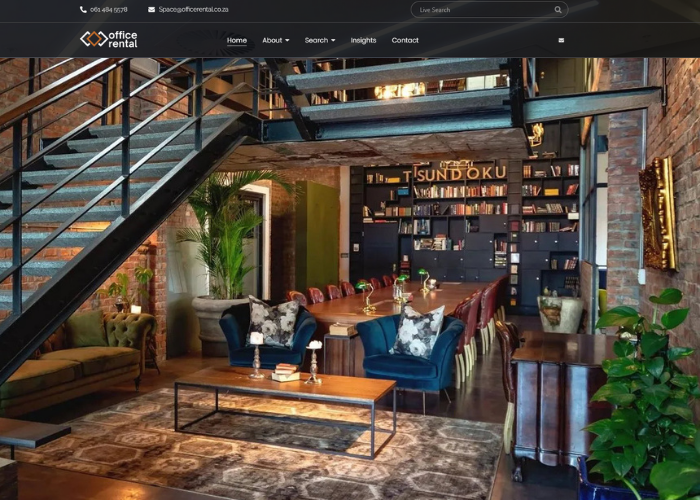
Office Rental Cape Town — Website Design and SEO Case Study
Office Rental provides serviced office solutions across Cape Town for businesses seeking flexible workspace. Webspace Design delivered website design, SEO, and Generative Engine Optimisation to drive qualified leads from businesses actively searching for office space. Office Rental | Portfolio Feature Published May 2025 / Updated May 2026 Website Design | SEO Strategy | Commercial Real Estate Digital Positioning Office Rental is a commercial property company specialising in flexible workspace solutions across Cape Town, with a strong focus on serviced offices, coworking spaces, and short-term office rentals. Their goal is simple, make finding, leasing, and occupying office space as fast, easy, and cost-effective as possible for startups, SMEs, and satellite teams. We built dedicated service pages for Serviced Offices, Virtual Offices, Coworking, and Meeting Rooms — each structured for both SEO and conversion. Area-specific landing pages support Office Rental’s key locations including Cape Town CBD, Claremont, Century City, and Bellville, targeting the local search queries most likely to bring qualified leads. Instant enquiry forms and CTA buttons appear across every page to reduce friction, and the professional layout builds trust from the first scroll. When Office Rental approached Webspace Design, they had a high-demand product and a clear value proposition—but their website wasn’t telling that story effectively. They needed a digital platform that reflected their positioning as a specialist in flexible office solutions while driving leads from businesses looking for plug-and-play space across Cape Town. Website Design with a Focus on Usability and Trust We redesigned their website from the ground up, creating a clean, modern interface that puts users first. Because the majority of Office Rental’s visitors arrive with an immediate need for office space, we made sure the layout supported fast navigation, quick enquiries, and strong service clarity. Key features include: Service pages for Serviced Offices, Virtual Offices, Coworking, and Meeting Rooms Area-specific landing pages to support locations like Cape Town CBD, Claremont, Century City, and Bellville Instant enquiry forms and CTA buttons across every page to reduce friction Professional imagery and layout that build trust from the first scroll We also created a simple but effective listings format, making it easy for visitors to browse available offices, compare features, and get in touch without digging through unnecessary content. SEO Strategy That Brings Qualified Leads The serviced office market is competitiv, and mostly driven by local search. That’s why we built the Office Rental site with SEO baked in from the beginning. We performed keyword research targeting high-intent phrases like “serviced offices Cape Town,” “short term office rental,” “shared office space Claremont,” and other variations aligned with user search behaviour. Every service and location page was optimised with meta descriptions, headings, and content that supports ranking, relevance, and conversion. We also implemented local business schema, created location-specific SEO content, and submitted the site to Google Business Profiles and industry directories for broader visibility. Early results show a steady increase in organic traffic, particularly from business owners searching for workspace options in Cape Town’s main commercial nodes. Find our more about our SEO Services Giving Office Rental a Digital Home Worthy of Their Service The new website not only reflects Office Rental’s service offering—it functions as a lead-generating engine and brand touchpoint. With SEO-friendly pages, mobile-responsive design, and a trustworthy visual tone, they now have a platform that speaks directly to business owners, operations managers, and remote teams needing office flexibility without the complexity. Commercial real estate is one of our specialist sectors. Alongside Office Rental, we work with Cape Space Properties, Corporate Real Estate, Space Finders and other commercial property businesses across Cape Town — bringing an understanding of the sector’s specific audience, search behaviour, and decision-making process that a generalist agency can’t replicate. 👉 Visit their website: https://www.officerental.co.za👉 Looking for more clients for your property business? Let’s build your lead engine

Toadstool Gardens
Toadstool Gardens | Portfolio Feature Website Design | SEO Strategy Toadstool Gardens is a unique landscaping company based in Gauteng, and thoughtful layout planning to create outdoor environments that are both beautiful and ecologically responsible. When the Toadstool Gardens team came to us, they had a clear vision for their brand but needed a professional online presence to showcase their work, articulate their services, and attract new clients through search. They wanted something clean, natural, and user-friendly—without losing the authenticity and personal ethos that sets them apart in a competitive space. Website Design Rooted in Simplicity and Nature We designed a minimalist, mobile-responsive website that puts their gardens and philosophy front and centre. Every visual element—colour palette, layout, and typography—was carefully chosen to reflect their values: grounded, organic, and quietly confident. The site structure was built around core service areas, including Garden Design, Maintenance, and Indigenous Planting. We kept the user journey intuitive, with soft transitions, strong imagery, and direct call-to-action buttons placed strategically across the site to prompt inquiries. A portfolio section was included to showcase real garden projects, with space for future expansion as their project library grows. Toadstool Gardens’ personality and ecological focus shine through in the copy. We kept the language simple and informative, aligning with their commitment to sustainable practices without drifting into jargon. The result is a site that feels welcoming, professional, and true to their brand. SEO That Supports Organic Growth With a niche offering and a clear regional focus, SEO was a priority from day one. We started with comprehensive keyword research, targeting relevant local and service-based search terms such as “indigenous garden design Cape Town,” “ecological landscaper,” and “sustainable gardening services.” On-page SEO best practices were applied throughout—optimized meta tags, semantic structure, fast load times, and mobile-first design. We also implemented schema markup to enhance their presence in local search results and improve how search engines interpret the content. Since going live, the site has already seen steady growth in organic impressions and rankings, particularly for localised and industry-specific queries. Toadstool Gardens now has a strong digital foundation to support long-term visibility, with SEO baked in from the ground up. A Platform That Reflects Their Craft Today, Toadstool Gardens has a professional, easy-to-navigate website that truly reflects the quality and heart behind their work. It’s more than just an online brochure—it’s a brand experience that gives potential clients a feel for their style, values, and expertise. And with a solid SEO framework in place, they’re well-positioned to attract new clients who are actively searching for what they offer. 👉 Visit their website: https://www.toadstoolgardens.co.za👉 Want a nature-inspired digital presence for your brand? Book a Free Discovery Call

Cape Interiors
Cape Interiors | Portfolio Feature Website Design | Brand Positioning | Digital Strategy Consulting | SEO Cape Interiors is a Cape Town-based specialist in commercial office fit-outs, turnkey renovations, and workspace upgrades. With a strong reputation for quality, speed, and execution, they work with businesses of all sizes to transform outdated or underutilized spaces into inspiring, functional workplaces. From high-end executive offices to cost-effective call centre setups, their solutions are tailored to the modern workforce. When Cape Interiors approached Webspace Design, they were clear on their capabilities but lacked a digital presence that accurately reflected the quality and professionalism of their work. Our job was to help them establish credibility online, create an easy path for potential clients to get in touch, and position them as leaders in the commercial interiors space. A Modern Website That Reflects Craft and Competence Our first step was to design and develop a website that matched Cape Interiors’ style of work—clean, efficient, and detail-oriented. We focused on showcasing the visual quality of their fit-outs with strong imagery, project highlights, and a services-driven layout that speaks directly to decision-makers in the commercial property, corporate, and facilities sectors. The website structure includes clear service categories such as Office Fit-Outs, Interior Renovations, Space Planning, and Turnkey Construction—each page optimised to convert visitors into leads. We added client testimonials and a simple quote request form to remove friction and encourage inbound inquiries. We also made sure the site is mobile-responsive, fast-loading, and built with future scalability in mind—supporting future blog content, portfolio expansion, or SEO enhancements as the business grows. Digital Strategy Grounded in Conversion While Cape Interiors wasn’t initially focused on SEO or social media, we offered strategic guidance to help them lay the groundwork for future digital growth. We helped fine-tune their brand messaging, call-to-action structure, and user journey across the site to improve visitor engagement and enquiry conversion. Every page is written in active voice, using direct and confident language that mirrors their no-nonsense, results-driven approach in the field. We also advised on how to build trust through visual proof—before/after images, team profiles, and detailed project case studies—all of which are now core elements of their content roadmap. Positioning Cape Interiors as Trusted Office Fit-Out Specialists For Cape Interiors, the end goal is clear: be the go-to solution for businesses needing office space transformations in the Western Cape. Our role was to give them the tools, platform, and positioning to make that happen. Their new digital presence not only reflects the high standard of their work—it now works for them as a lead-generation asset, a portfolio showcase, and a powerful trust-builder with prospective clients, project managers, and property brokers alike. 👉 Visit their website: CAPE INTERIORS👉 Need a space transformation partner? Book a Free Strategy Call

Wisewaterways
Wisewaterways | Portfolio Feature Website Design | SEO Services Wisewaterways is a South African-based environmental engineering firm that specialises in sustainable water resource management, stormwater design, and ecological infrastructure. With a highly skilled team of engineers, hydrologists, and environmental consultants, they help developers, municipalities, and private clients create water-sensitive designs that are both compliant and environmentally responsible. When Wisewaterways partnered with Webspace Design, they needed a digital presence that reflected the technical expertise and professional credibility of their work. Their existing online footprint was minimal, and they were missing out on valuable opportunities to attract new clients through search and showcase their portfolio of projects. A Professional Website That Builds Credibility Our first goal was to build a clean, professional, and technically sound website that would serve as a central hub for all things Wisewaterways. We knew the site had to communicate complex services clearly—while also feeling accessible to both government clients and the general public. The design is minimal and modern, reflecting the firm’s focus on nature-based infrastructure and sustainable design. We crafted structured, well-organised content across pages such as Services, Projects, About, and Contact—making it easy for visitors to navigate the site and understand what Wisewaterways offers. We incorporated strong calls to action throughout the site, encouraging visitors to request consultations or submit inquiries, and we made sure the site was fully responsive, fast-loading, and optimised for both desktop and mobile. SEO That Supports Thought Leadership and Discoverability A core part of our work with Wisewaterways involved establishing a strong foundation for organic search. We started with keyword research specific to environmental engineering, sustainable water management, and stormwater services within South Africa. From there, we optimised every page of the site—from meta descriptions and headers to image tags and page speed. We implemented technical SEO essentials such as sitemap submission, schema markup, and proper site indexing to ensure the site was fully visible to search engines. On-page content was crafted to not only align with high-intent search terms but also to demonstrate the firm’s deep expertise in areas like stormwater master planning, wetland rehabilitation, and green infrastructure. To support long-term ranking performance, we also trained the client on maintaining their blog and encouraged the future development of educational content to reinforce their position as industry thought leaders. The Result Wisewaterways now has a professional online presence that aligns with their reputation and technical capabilities. With improved visibility on Google, they’re starting to attract inbound traffic and inquiries from developers, engineers, and decision-makers searching for sustainable solutions. The site has helped reinforce their credibility in the market and gives them a platform to showcase their experience, publish insights, and expand their reach—online and offline. At Webspace Design, we’re proud to support mission-driven businesses like Wisewaterways who are shaping a better, more sustainable future through their work. 👉 Visit their website: https://wisewaterways.co.za👉 Want a website and SEO strategy that supports your growth? Book a Free Strategy Call

The Marketing Agency
The Marketing Agency | Portfolio Feature Website Design | SEO Strategy & Implementation The Marketing Agency is a progressive, full-service marketing consultancy that works with brands across multiple industries to deliver results-driven advertising, branding, and strategic campaigns. Based in South Africa, their team brings a sharp commercial mindset and a deep understanding of the local market to every client engagement. When The Marketing Agency approached Webspace Design, they needed more than just a new website—they needed a platform that could grow with them, attract inbound leads, and compete in an increasingly crowded digital space. Our brief was clear: build a fast, professional, and optimised website that would serve as both a brand authority tool and a lead generation engine. Website Design That Reflects Their Brand Authority From the outset, it was clear that The Marketing Agency needed a website that matched the caliber of their services—clean, modern, and confidently executed. We worked closely with their team to design a responsive, high-converting site that would speak directly to their ideal client base: business owners and marketers looking for strategic, full-service marketing support. We structured the site around their core services, created strong content messaging, and used sleek design elements that made the site visually appealing without distracting from the user journey. Key pages include detailed service breakdowns, a results-focused “Why Choose Us” section, and lead-focused calls-to-action across every page. Every component was created with performance in mind—from load speed and mobile optimisation to content hierarchy and engagement paths. The result: a high-performing site that clearly communicates the agency’s value and makes it easy for prospects to take action. Search Engine Optimisation That Delivers Organic Visibility A great website means nothing if it isn’t discoverable. That’s where our SEO expertise came in. We built a comprehensive strategy focused on both technical and on-page SEO to ensure The Marketing Agency would rank competitively in key search categories across South Africa. We began with in-depth keyword research, identifying high-intent terms in their niche. From there, we optimised every page—from metadata and headings to internal linking and content structure—ensuring that the site was aligned with Google’s best practices and designed to support long-term rankings. In addition, we implemented schema markup, optimised image tags, and configured their Google Search Console and Analytics tracking for ongoing monitoring and performance reporting. Our goal wasn’t just rankings—it was visibility that turns into leads. The Outcome The Marketing Agency now has a sleek, SEO-optimised website that positions them as a top-tier service provider in the local market. Early results include improved organic search visibility, increased time-on-site metrics, and a boost in qualified enquiries through the site. At Webspace Design, we’re proud to support fellow marketing professionals with strategic execution that delivers real results. Our ongoing support includes performance reviews, technical maintenance, and SEO content updates to help them stay ahead in a fast-moving digital space. 👉 Visit their website:👉 Want SEO and web design that brings real ROI? Book a Free Strategy Call

New Wave Interiors
New Wave Interiors | Portfolio Feature Website Design | Brand Positioning | Digital Presence for a Design-Led Business New Wave Interiors is a boutique commercial interior design firm that delivers functional, stylish, and space-smart solutions for office, retail, and hospitality clients. Known for their detail-driven approach and creative execution, they needed a digital presence that reflected their professionalism, creativity, and hands-on expertise in transforming workspaces. When the New Wave team approached Webspace Design, they were clear on their vision: a website that not only looked good—but felt as tailored, high-end, and trustworthy as their interior solutions. We were excited to bring their brand to life online. A Design-Forward Website for a Design-Focused Business Interior design is a visual business, so the website had to be clean, modern, and full of visual impact. But it also needed to convert visitors into leads—especially facilities managers, commercial property owners, and business executives looking for an experienced fit-out partner. Key features we delivered: Minimalist, spacious layout with focus on project imagery and design philosophy Project showcase pages, allowing New Wave to highlight past work with high-res photos, testimonials, and project specs Service pages clearly outlining offerings such as office design, renovations, project management, and furniture procurement Quick enquiry tools across all pages, making it easy for visitors to get in touch or request a site meeting Fully responsive and mobile-friendly design to capture leads on any device The result is a high-performance digital platform that speaks directly to the type of clients New Wave Interiors wants to attract: those who value detail, efficiency, and design that makes an impact. Creating a Cohesive Digital Brand Beyond the build, we worked closely with New Wave Interiors to refine their messaging and digital tone. Their brand is not overly flashy—it’s confident, capable, and straight-talking. We carried that through into the copy and flow of the site. From headlines like “We design spaces that work harder” to service section intros that focus on ROI and functionality, the entire site positions New Wave Interiors as a results-driven, detail-oriented partner for commercial spaces. We also laid the groundwork for SEO performance, ensuring key terms were present throughout: “Commercial interior design Cape Town” “Office fit out specialist” “Turnkey interiors for businesses” “Workspace renovation experts” A Platform That Grows With the Business One of the things we always prioritize is scalability. The website is built to grow as New Wave Interiors grows—ready to integrate a blog, feature press mentions, or expand their project portfolio over time. The team now has a powerful digital tool they can confidently share with prospective clients, partners, and suppliers—knowing it reflects the same level of detail and care they bring to every design project. 👉 Need a premium site for your service-based business? Book a Free Discovery Call

5W Mask
5W Mask | Portfolio Feature Website Design | Digital Branding | E-commerce-Ready Framework 5W Mask is a proudly South African supplier of high-quality PPE (Personal Protective Equipment), including masks, sanitizers, gloves, and workplace safety gear. As demand for reliable, locally produced PPE surged across South Africa during the pandemic and beyond, 5W Mask emerged as a key player in helping businesses, schools, clinics, and individuals stay protected. They came to Webspace Design with a clear need: a professional, trust-inspiring online presence that made it easy for buyers to understand their product range, get in touch, and place orders efficiently. A Website That Communicates Safety, Trust, and Speed The PPE industry requires absolute clarity, confidence, and speed of delivery—and that’s exactly what we aimed to reflect in 5W Mask’s digital design. We built a clean, professional, and mobile-optimised website that serves as both a product catalogue and a brand trust builder. Key features of the website include: Straightforward product display, with clear categories for masks, gloves, sanitizers, and bulk orders High-trust design elements, including local certifications, delivery guarantees, and safety credentials Quick-contact options like WhatsApp integration, enquiry forms, and direct email prompts for bulk purchases A future-ready layout that can easily expand into full e-commerce functionality when needed The site’s tone is calm, informative, and professional—positioning 5W Mask as a dependable local supplier in a crowded market often filled with cheap imports or fly-by-night resellers. Building a Foundation for Long-Term Digital Success In the PPE space, consistency and credibility are everything. Our job wasn’t just to create a website—it was to help establish 5W Mask as a trustworthy brand in a high-urgency industry. Every visual and word was chosen to communicate the company’s dedication to quality, compliance, and fast turnaround. We also advised on a basic SEO framework to help them show up in local search results for keywords like: “PPE supplier Cape Town” “Buy masks in bulk South Africa” “Local PPE distributor” “South African made masks” With fast page loads, mobile optimisation, and strategic keyword placement, the website was built to perform from day one—without bloated design or unnecessary complexity. Positioning a Local Supplier for National Reach The team at 5W Mask understood that reliability is a key differentiator in the PPE space. Our work has helped them position themselves not just as a product seller, but as a long-term supplier businesses and institutions can count on. Today, 5W Mask’s digital presence supports both inbound enquiries and trust-based referrals. With a website that speaks directly to buyers’ needs and a clear visual identity, they’ve moved beyond word-of-mouth and into the broader online market with confidence. 👉 Visit their website: 5W Mask👉 Want to position your B2B product business for growth? Let’s Build Something Great

Sixsense Marketing
Sixsense Marketing Agency | Portfolio Feature Website Design | Social Media Management | Brand Visibility & Engagement Sixsense Marketing Agency is a bold, strategy-led creative studio specialising in marketing campaigns, brand storytelling, and content creation. Their mission is clear: help businesses stand out in crowded markets with insight-driven campaigns that hit the mark. With a dynamic team and a growing list of clients across various industries, Sixsense needed a digital presence that matched their forward-thinking approach—and that’s where Webspace Design came in. A Website That Embodies Creative Strategy Sixsense came to us with a vision: a clean, modern website that didn’t just explain what they do—but showcased their capabilities as a marketing force. We set out to design a digital space that reflected their creative personality, while also driving real conversions. Key highlights of the site: Bold, visually striking homepage with strong messaging and fast-loading design Services pages focused on core offerings: branding, campaign strategy, design, content, and digital marketing Smooth navigation with anchor links and scroll-based engagement for a seamless user journey Case study layouts to showcase previous work and build credibility with potential clients Strong calls-to-action across every page, guiding visitors to book a consultation or get in touch We kept the content crisp and authoritative, balancing creativity with clarity—so that clients visiting the site immediately get a sense of who Sixsense is, what they do, and why it matters. Social Media That Builds Presence and Personality Beyond the website, Sixsense needed their social media presence to match the energy of their brand. We stepped in to manage their LinkedIn and Facebook channels—two of the most powerful platforms for B2B marketing, creative agency visibility, and client acquisition. Our social media strategy focused on: Developing a clear brand tone of voice: bold, confident, and insight-driven Consistent posting with a mix of thought leadership, behind-the-scenes, client features, and tips Branded templates to maintain visual consistency and boost brand recognition Monthly analytics and performance reviews to keep content evolving based on real engagement data By aligning social media content with the website design, we ensured that every digital touchpoint reinforced the Sixsense brand: a confident, expert-led marketing agency with real results behind their campaigns. Helping Sixsense Tell Their Own Story As marketers themselves, the Sixsense team understand the power of brand positioning. What they needed from us was execution: a digital rollout that elevated their presence and built a solid foundation for future growth. Today, their website serves as a professional hub for new clients, while their social media platforms foster ongoing engagement and visibility in a crowded industry. 👉 Visit their website: Sixsensemarketing👉 Need a cohesive digital strategy for your own creative agency? Let’s Make It Happen

The Evolution of Web Design: 2024 Trends to Watch
Web design has come a long way from static HTML pages to the dynamic, interactive experiences we see today. As technology advances, so do user expectations, making it essential for businesses to stay ahead of the curve. In 2024, web design is all about enhancing user experience (UX), aesthetics, and functionality. 1. AI-Powered Personalisation Artificial Intelligence (AI) has changed how websites interact with users. AI-powered websites now adapt in real-time, offering personalised content, product recommendations, and chatbots for instant engagement. What this means for you: If your website isn’t leveraging AI to improve user experience, you might be missing out on valuable customer interactions! 2. Minimalist & Immersive Design Simplicity is key in 2024! Modern websites focus on clean layouts, large typography, and bold colours to create a striking visual impact. What this means for you: A clutter-free website loads faster, is easier to navigate, and improves engagement rates. 3. Mobile-First Optimisation More than 60% of web traffic comes from mobile devices, meaning that having a responsive, mobile-friendly site is no longer optional—it’s essential! What this means for you: If your website isn’t mobile-optimised, visitors will leave, and your rankings on Google will suffer. 4. Dark Mode & High Contrast UI Dark mode has gained massive popularity, with many users preferring it for its aesthetic appeal and reduced eye strain. Websites are incorporating dark themes, allowing users to toggle between light and dark modes. What this means for you: Giving users control over their experience can improve engagement and retention. 5. Voice Search & Accessibility With the rise of voice assistants like Siri, Alexa, and Google Assistant, voice search optimisation is crucial. Additionally, accessible web design ensures that people with disabilities can navigate your site effortlessly. What this means for you: Adding alt text, captions, and keyboard-friendly navigation makes your website inclusive and SEO-friendly. In 2024, web design isn’t just about looking good—it’s about creating an engaging, seamless, and user-friendly experience. If your website is outdated or isn’t performing as it should, now is the time for an upgrade!

Why In-Store Activations & Pop-Up Stores Are a Game-Changer for Your Business
In the digital age, brands are constantly competing for attention online. But what if the best way to stand out is to engage customers in person? That’s where in-store activations and pop-up stores come in! These marketing strategies bring products to life through interactive experiences, limited-time events, and direct customer engagement. Whether you’re hosting a pop-up store in a high-traffic area or running an in-store activation at your retail location, the goal is the same—boost brand awareness, drive sales, and create memorable interactions. Why In-Store Activations & Pop-Up Stores Work: Creates Urgency & Exclusivity – Limited-time pop-up shops attract attention and drive quick sales. Encourages Engagement – Customers can touch, try, and experience products firsthand. Builds Hype & Social Buzz – Unique activations and pop-ups encourage social media sharing. Tests New Markets – A pop-up store allows brands to test locations before committing to permanent retail space. Boosts Foot Traffic & Sales – Interactive experiences encourage impulse buying and customer retention. Tips for a Successful Activation or Pop-Up Store: Choose the Right Location – High-foot-traffic areas = high visibility. Make It Interactive – Let customers experience your product, not just see it. Go Digital – Use social media & QR codes for engagement beyond the store. Offer Exclusive Deals – Limited-time discounts or giveaways create FOMO (fear of missing out). Whether you’re introducing a new product, boosting brand awareness, or testing a market, in-store activations and pop-up stores are powerful ways to engage customers.

Boost Your Business & Social Media Following with Corporate Gifting in 2025
Small businesses need to find creative ways to stand out, attract customers, and build brand loyalty. One of the most effective ways to achieve this is through corporate gifting, promotional giveaways, and branded merchandise. Not only do these gifts create lasting brand impressions, but they can also help grow your social media following when used strategically. Why Corporate Gifting Works for Small Businesses Corporate gifting isn’t just for large enterprises. When done right, small businesses can leverage promotional items to: Increase Brand Awareness: High-quality, branded gifts keep your business top of mind. Engage Your Audience on Social Media: Encourage customers to share their gifts online, generating organic word-of-mouth marketing. Build Customer Loyalty: Thoughtful gifting shows appreciation and strengthens relationships. Attract New Clients: Giveaways and contests entice potential customers to engage with your brand. The Hottest Corporate Gift Trends for 2025 (and How to Use Them to Grow Your Business!) If you want your gifts to make an impact, stay ahead of the trends! Here are the must-have corporate gifts for 2025 and how small businesses can use them for social media marketing. 1. The Stanley Cup Craze Why It’s Hot: This influencer-favorite tumbler is trendy, practical, and stylish. With superior insulation, it keeps drinks cold for hours, making it a fan favorite for everyday use. How to Use It: Run a “Tag & Win” giveaway on Instagram. Ask followers to tag a friend in the comments, share your post, and follow your page for a chance to win a custom-branded Stanley Cup. 2. Luxury Custom Apparel Why It’s Hot: Ditch the boring T-shirts! In 2025, branded hoodies, sleek jackets, and stylish polos are the way to go. How to Use It: Create a “Wear & Share” challenge. Ask customers to snap a picture wearing your branded apparel and post it with a hashtag like #MyBrandStyle for a chance to win exclusive discounts or prizes. 3. Smart Desk Accessories Why It’s Hot: Functional office gifts—like wireless charging mouse pads and blue-light blocking glasses—enhance productivity and keep workspaces sleek. How to Use It: Give these items as thank-you gifts to loyal customers and request an unboxing video or testimonial in return. 4. Branded Travel Essentials Why It’s Hot: With travel back in full swing, items like RFID-blocking wallets, custom luggage tags, and foldable travel blankets are must-haves. How to Use It: Partner with a travel influencer for a giveaway collab. Ask followers to share their favorite travel destination and tag your brand for an entry. 5. Digital Gift Cards & Subscriptions Why It’s Hot: Netflix, Spotify, or MasterClass subscriptions offer flexibility, making them a hit. How to Use It: Host a social media contest where participants must comment on a post, tag friends, and follow your page to win a subscription of their choice. 6. High-Performance Outdoor Gear Why It’s Hot: Outdoor-friendly gifts—like branded insulated lunch boxes, hiking backpacks, and camping mugs—encourage an active lifestyle. How to Use It: Create an adventure-themed Instagram Reels challenge. Encourage followers to share a clip of their outdoor experience featuring your branded gear. 7. Noise-Blocking Earphones Why It’s Hot: As hybrid work continues, high-quality noise-canceling earphones enhance focus and productivity. How to Use It: Offer them as an exclusive VIP customer appreciation gift and feature testimonials on your Instagram Stories. Small Actions, Big Impact Corporate gifting and promotional giveaways aren’t just about giving away free stuff—they’re strategic tools to boost brand visibility, foster loyalty, and grow your social media following. By choosing the right trendy and functional gifts and pairing them with engaging social media campaigns, your small business can stand out, attract more customers, and build a thriving online community.

How to Hire an SEO Agency
Hiring the right SEO agency can have a big impact on your online presence, search engine rankings, and overall business success. With countless agencies vying for your attention, it’s essential to conduct thorough research and due diligence to ensure you partner with a reputable and competent firm. In this definitive guide, we’ll outline the key steps and considerations to help you navigate the process of hiring an SEO agency effectively. Before you start searching for an SEO agency, take the time to define your goals and objectives. What do you hope to achieve with your SEO efforts? Whether it’s improving search engine rankings, increasing website traffic, or driving conversions, having clear goals will guide your search and evaluation process. SEO services can vary significantly in cost, depending on the scope of work, level of expertise, and agency reputation. Assess your budget and resources to determine how much you’re willing to invest in SEO services. Keep in mind that SEO is a long-term strategy, and investing in quality services can yield significant returns over time. Start your search for an SEO agency by conducting thorough research. Look for agencies with a proven track record of success, industry expertise, and a solid reputation. Consider factors such as agency size, client portfolio, case studies, and client testimonials when evaluating potential candidates. Create a shortlist of agencies that align with your goals and budget. When evaluating potential SEO agencies, pay close attention to their experience and expertise in your industry or niche. Look for agencies that have worked with clients similar to your business and have a deep understanding of your target audience and market dynamics. Additionally, assess the agency’s team members’ qualifications, certifications, and industry recognition to ensure they have the expertise to deliver results. Looking for a new office? Request detailed information about the services and strategies offered by each SEO agency on your shortlist. A reputable agency should provide a comprehensive range of services, including keyword research, on-page optimization, technical SEO audits, content creation, link building, and performance tracking. Evaluate the agency’s approach to SEO and ensure it aligns with your goals and expectations. Before making a final decision, ask each SEO agency for references and case studies from past clients. Contact these references to gain insights into the agency’s communication, professionalism, and ability to deliver results. Review case studies to see examples of the agency’s work and the impact of their SEO strategies on client success. Once you’ve narrowed down your options, request a detailed proposal from each remaining SEO agency. The proposal should outline the scope of work, timeline, deliverables, and pricing structure. Review the proposal carefully and ask any questions or seek clarification on areas of concern. Once you’ve selected an agency, negotiate a contract that clearly outlines the terms, responsibilities, and expectations of both parties. After hiring an SEO agency, monitor their performance closely and maintain open lines of communication. Regularly review progress reports, analytics data, and key performance indicators to track the effectiveness of their SEO efforts. Maintain regular communication with the agency to provide feedback, address any issues, and adjust strategies as needed. Hiring an SEO agency is a significant decision that can have a lasting impact on your business’s online success. By following the steps outlined in this guide and conducting thorough research and due diligence, you can find an SEO agency that meets your needs, aligns with your goals, and delivers measurable results. Remember to prioritize transparency, communication, and collaboration throughout the partnership to ensure a successful and mutually beneficial relationship.

Marketing for Commercial Real Estate Companies
Marketing a commercial real estate (CRE) company is different from selling consumer products. Your audience is businesses, investors, and decision-makers who expect credibility, clarity, and results. If your marketing doesn’t communicate professionalism and expertise, you risk losing deals before you even get a meeting. Here’s how CRE companies can approach marketing effectively. 1. Build a Professional Website Your website is the first impression for most clients. It needs to be clean, easy to navigate, and designed with your audience in mind. Focus on: Clear messaging about the services you offer. High-quality images of your properties. Easy-to-use contact forms for inquiries. Case studies and success stories to demonstrate your experience. Your website should communicate trust and professionalism at every touchpoint. A strong website isn’t just about looks—it’s about converting visitors into leads. 2. Invest in Content Marketing Content positions your company as an expert. Blogs, guides, and newsletters allow you to share knowledge about the property market, trends, and investment strategies. Some ideas include: Market updates for specific regions. Tips for businesses looking for office or industrial space. Insights into lease negotiations and property management. Consistent content helps you stay visible, build authority, and attract clients actively searching for expertise. 3. Use Targeted Email Campaigns Email marketing is one of the most cost-effective ways to stay connected with potential clients. Segment your audience into investors, tenants, and corporate clients, then send tailored messages that match their interests. See our Website Design Services Include: New property listings. Industry updates. Invitations to webinars or property tours. The key is relevance. The more targeted your emails, the more engagement and inquiries you’ll generate. 4. Leverage Social Media for Visibility Social media isn’t just for consumer brands. LinkedIn, Instagram, and even Facebook can help CRE companies reach decision-makers. Share: Behind-the-scenes of property developments. Client success stories. Industry insights and market trends. Visual content is critical—high-quality images, videos, and infographics perform best. Social media also helps humanize your brand and show that your team is approachable and knowledgeable. 5. Highlight Client Success Stories Case studies and testimonials build credibility. Showcase the results you’ve delivered, whether it’s helping a client find the perfect office space or negotiating a high-value lease. Include: The client’s challenge. Your approach. The outcome and benefits for the client. Real stories are persuasive because they demonstrate tangible results, not just promises. 6. Track Results and Optimize Marketing isn’t static. Track your campaigns, website analytics, and social media engagement to see what works. Adjust strategies based on performance: Which posts generate inquiries? Which emails get opened and clicked? Which landing pages convert visitors into leads? Data-driven decisions help you spend time and resources where they deliver the best return. 7. Invest in Paid Advertising Strategically Paid advertising, such as Google Ads or LinkedIn Ads, can amplify your reach. Target ads to: Specific industries or businesses. Decision-makers in certain regions. People searching for commercial property solutions. Paid campaigns work best when combined with organic marketing strategies and high-quality landing pages. Marketing a CRE company is about building trust, showing expertise, and connecting with the right audience. By combining a professional website, valuable content, social media presence, email campaigns, and targeted advertising, you can grow your brand and attract clients who are ready to engage. Commercial Real Estate Agency Cape Town If you want, I can also create a second version optimized for SEO, targeting keywords like “commercial real estate marketing,” “CRE marketing strategies,” and “property marketing South Africa,” so it drives traffic while maintaining this tone.

SEO Strategies for AI-Powered Assistants
How Voice Search Is Changing SEO (And What You Can Do About It) Let’s start with a confession: most of us are talking to our devices more than we admit. Siri, Alexa, Google Assistant they’re all listening. And not just for fun. People are using voice commands to find information, buy stuff, and figure out what the heck to do next. If your business isn’t paying attention, you’re basically invisible to half the population asking, “Where’s the nearest coffee shop?” or “What’s the best plumber near me?” Voice search isn’t just convenient it’s fast, hands-free, and it’s growing like crazy. Here’s what that means for SEO and how you can actually get your website heard (without shouting into the void). Voice Search Isn’t a Fad Smartphones, smart speakers, even smart cars voice search is everywhere. Nearly half of all online searches now happen this way, and it’s not slowing down. People love it because it’s fast, it’s easy, and it frees up their hands to do literally anything else. If your website isn’t optimized for voice, it’s like opening a store in the middle of nowhere. People can’t find you, no matter how good your product or service is. SEO Services Cape Town What Voice Search Means for SEO Voice search isn’t just typing with your mouth. Queries are longer, more conversational, and usually phrased as questions. Instead of “best coffee Cape Town,” people ask, “Where can I get the best coffee near me?” Your old SEO tricks — short keywords stuffed into paragraphs — don’t cut it anymore. Now you need to think in full sentences, natural phrasing, and questions people actually ask out loud. How to Optimize for Voice Search Here’s the part that actually matters: what to do. 1. Go After Featured Snippets Ever notice that little box at the top of Google with a quick answer? That’s a featured snippet. Google loves to pull these for voice responses. Write clear, concise answers to common questions your audience might ask. Use headings that include the question itself. Keep paragraphs short. Your goal isn’t to win a Pulitzer — it’s to get read out loud by an AI assistant. 2. Make Your Content Conversational If people talk to Google, write like people talk. Long-tail keywords work better than generic short ones. Write in full sentences and answer questions naturally. Think about how someone would ask for your product out loud. Then answer it clearly on your site. It’s that simple. 3. Don’t Ignore Local Search Most voice searches are about location. “Near me” queries are a huge deal. Make sure your business info is accurate online: address, phone number, hours. Include location in your content. If someone nearby asks for your service, you want to be the answer. Otherwise, your competitor gets the shoutout instead. 4. Speed and Mobile Matter More Than Ever Voice search users don’t have time to wait. If your website is slow, you’re toast. Compress images, use a fast host, and make sure mobile users can navigate easily. AI assistants aren’t forgiving, and neither are humans. 5. Use Structured Data Schema markup sounds fancy, but it’s just a way to tell search engines what your content actually is. Articles, products, events label it properly. This helps Google understand your site and increases the chance it’ll appear in voice responses or featured snippets. Think of it as giving your website a voice of its own. Why This Matters Voice search is changing how people find information and your business. If your website isn’t ready, you’re missing out on attention, leads, and sales. By optimizing for featured snippets, writing conversational content, focusing on local search, improving speed, and using structured data, you can make sure your site gets heard. And yes, this also makes your website more user-friendly for everyone, not just voice search users. Feeling Overwhelmed? We get it. Voice search SEO is a lot to handle on top of running a business. If this feels like too much, that’s where we step in. At Website Design & Marketing, we manage SEO strategies that work, including voice search. We’ll make sure your business gets found without you losing sleep or pulling your hair out.

How to Market Your Business Locally Without a Storefront
Starting a business from home or operating without a physical storefront can feel challenging, but that doesn’t mean you can’t establish a strong local presence. Local store marketing isn’t just for brick-and-mortar shops—it’s about positioning your brand where your customers already are. Whether you’re offering a service or selling a product, there are plenty of ways to make your business known in your community. Here’s how: 1. Leverage Social Media for Local Reach Social media platforms like Facebook, Instagram, and TikTok are powerful tools for connecting with local customers. Here’s how to use them effectively: Join local community groups and participate in discussions. Use location-based hashtags (e.g., #CapeTownBusiness, #SupportLocalSA). Engage with other small businesses and potential customers by liking, commenting, and sharing relevant content. Run targeted Facebook and Instagram ads within your area. 2. Claim Your Google My Business Listing Even without a storefront, you can create a Google My Business (GMB) profile. This helps local customers find your business, see your services, and leave reviews. Make sure to: Use accurate location details (even if it’s just a city name). Upload high-quality images of your work or products. Encourage satisfied customers to leave reviews. Post updates, promotions, and business news regularly. 3. Partner with Local Businesses Collaborate with businesses that complement your offerings. If you sell handmade candles, partner with a home décor store to stock a small batch. If you provide digital marketing services, team up with a local photographer for bundled packages. Partnerships help you tap into an existing customer base and build credibility. 4. Attend and Sponsor Local Events Even without a store, you can showcase your brand at local events: Set up a pop-up stand at markets. Offer sponsorships for school events, charity runs, or sports teams. Provide free samples or branded promotional items at community gatherings. Host small networking or educational events at co-working spaces or coffee shops. 5. Use Flyers, Posters, and Local Magazines Print marketing is still relevant! Design eye-catching flyers and posters to place in coffee shops, gyms, community centers, and supermarkets. If budget allows, advertise in local newspapers or magazines to reach an audience that may not be online. 6. Offer Local Delivery or Pick-up Options Customers love convenience. If you sell products, offer doorstep delivery within your area. You can also arrange for pick-up points at popular locations such as coffee shops or small boutiques that align with your brand. 7. Leverage Word-of-Mouth Marketing Happy customers are your best marketing asset. Encourage them to spread the word by: Creating a referral program with small discounts or perks. Asking for testimonials and sharing them on social media. Providing outstanding service that keeps customers coming back. 8. Network and Build Local Relationships Attend networking events, join small business associations, and introduce yourself to other entrepreneurs. Word-of-mouth recommendations often come from people you’ve connected with personally. 9. Host Giveaways and Contests Running local competitions on social media is a great way to boost engagement. Require participants to tag friends, share posts, or visit your website to enter. This increases your brand’s visibility and helps you grow your audience organically. 10. Invest in a Professional Website Even without a physical location, a website acts as your virtual storefront. Ensure your site includes: A clear description of your products/services. Contact details and social media links. An easy way for customers to book, order, or inquire. Search engine optimization (SEO) strategies to rank locally. Not having a storefront doesn’t mean you can’t make a big impact locally. By being strategic and present where your customers are—both online and offline—you can build a strong brand, gain loyal customers, and grow your business effectively. Start small, stay consistent, and keep engaging with your community. Your business doesn’t need four walls to thrive! Find out more on our Social Media Services.

Why Social Media is a Game-Changer for Small Businesses
Social media is more than just a platform for staying connected—it’s a powerful tool for businesses to grow, engage, and convert customers. Whether you’re a start-up or an established small business, leveraging social media effectively can make all the difference in your brand’s success. The Power of Social Media Marketing Brand Awareness & Visibility Your potential customers are already on social media. Platforms like Facebook, Instagram, LinkedIn, and TikTok provide a cost-effective way to showcase your brand, increase awareness, and stay top-of-mind. Engaging with Your Audience Unlike traditional marketing, social media allows you to engage directly with your audience. Whether through comments, polls, or direct messages, building relationships with customers fosters loyalty and trust. Cost-Effective Advertising Social media advertising is far more affordable than traditional marketing channels, allowing businesses with smaller budgets to reach highly targeted audiences. With the right strategy, even a modest ad spend can yield great returns. Driving Website Traffic & Sales A well-placed post, engaging content, or a strategic ad campaign can drive customers directly to your website, boosting inquiries and sales. Social commerce is on the rise, making it easier than ever to convert followers into customers. Valuable Data & Insights Platforms provide in-depth analytics on your audience, their behaviors, and engagement patterns. This data helps refine your marketing efforts, ensuring you target the right people with the right message. Tips for a Winning Social Media Strategy Define Your Goals – Are you looking for brand awareness, engagement, or conversions? Tailor your content to match your objectives. Know Your Audience – Understand your target market and create content that speaks directly to their interests and pain points. Consistency is Key – Posting regularly keeps your audience engaged and helps build brand recognition. Engage & Interact – Don’t just post and leave. Respond to comments, join conversations, and engage with your community. Utilise Paid Ads – Even a small budget can go a long way in getting your content seen by the right people. Track & Adjust – Use analytics to see what’s working and tweak your strategy accordingly. Social media is no longer optional—it’s essential. If you’re not leveraging it for your business, you’re missing out on a huge opportunity to grow. Whether you’re just starting out or looking to refine your approach, now is the time to invest in a strong social media strategy.

The Foundation of Success – Why Every Business Needs a Website
Starting a business is no small feat, and as an entrepreneur, you’re probably juggling a million priorities. But let’s be real—having a professional website should be at the top of your list. Why? Because in today’s digital-first world, your website isn’t just a tool; it’s the foundation of your business’s success. Whether you’re just launching or looking to scale, a website is your most powerful ally. It’s where potential customers learn about you, decide to trust you, and ultimately choose to work with you. Without it, your business is practically invisible in the online world. Here’s why a website is the ultimate game-changer for startups and small businesses. It’s Your Digital Shopfront Think of your website as your 24/7 salesperson. Even when you’re asleep, potential customers can browse your services, learn about your brand, and contact you. Credibility Matters First impressions count! A professional website builds trust and shows people you’re serious about your business. In a world where competition is fierce, this matters more than ever. You’re Missing Customers Without It Did you know most people search online before making a purchase? If your business doesn’t have a website, you’re invisible to those customers. Cost-Effective Marketing A website is a one-time investment with ongoing returns. With SEO and digital marketing, your website can attract leads without breaking the bank. It Puts You in Control Social media is great, but algorithms change. A website is your space to control your message and ensure people always find you. A website is more than just an online presence; it’s your opportunity to turn visitors into loyal customers and ideas into measurable growth. In today’s digital-driven world, your website serves as the anchor for all your marketing efforts, ensuring your business remains visible, credible, and competitive. Don’t let your business stay in the shadows. Build a website that works as hard as you do! Whether you’re a startup or a growing small business, investing in a professional website is one of the smartest decisions you can make.

Starting Your Business Journey? Let’s Talk Marketing Priorities!
Starting a business is an exciting journey, but let’s be honest—it can also be overwhelming. With countless decisions to make, one of the biggest challenges is figuring out where to invest your marketing budget first. Should you focus on a website, social media, or branding? Don’t worry—we’re here to help you prioritise and make the most of your budget. 1. Build a Professional Website: Your website is your digital storefront and often the first impression potential customers have of your business. Invest in a clean, user-friendly design that reflects your brand and includes essential features like contact information, services, and a blog. Think of your website as the foundation for all your other marketing efforts. 2. Establish Your Social Media Presence: Social media is where your customers are, so make sure your business is there too. Start with platforms most relevant to your audience—Facebook and Instagram for consumer-focused businesses, or LinkedIn for B2B services. Allocate part of your budget to professional content creation and strategic ad campaigns. 3. Define Your Branding: Your logo, colours, and overall brand voice set the tone for how people perceive your business. If your budget allows, work with a professional designer or agency to create a cohesive and memorable brand identity. 4. Leverage Local Marketing: If your business caters to a local audience, invest in marketing materials like flyers, in-store promotions, and local store activations. Partner with other businesses in your area to increase visibility and credibility. Starting a business can feel like juggling a million tasks, but the key is to focus on what matters most. A professional website, a strong social media presence, and clear branding are essential first steps to set your business up for success.

Tips for Using Instagram Hashtags Effectively
Hashtags are more than just trendy words or phrases. They serve as a powerful tool for categorizing content and making it discoverable to users interested in specific topics. Here’s why they remain relevant: Search and Discovery: Hashtags allow users to search for content related to their interests. Instagram’s search bar prioritizes posts with relevant hashtags, increasing the likelihood of your content being discovered. Community Building: Using niche hashtags can connect your brand with a specific audience, fostering engagement and loyalty within a targeted community. Algorithm Signals: Hashtags signal the type of content you’re posting, helping Instagram’s algorithm recommend your post to users who are likely to engage with it. Boosted Reach: Posts with effective hashtags often reach users beyond your followers, creating opportunities for organic growth. Tips for Using Instagram Hashtags Effectively While hashtags are still useful, the way you use them has evolved. Follow these tips to ensure your hashtags contribute to better post performance: 1. Be Strategic with Your Hashtags Use a mix of broad and niche hashtags. For example, instead of just #Marketing, add specific tags like #LocalStoreMarketing or #DigitalMarketingTips. Avoid overly saturated hashtags like #love or #instagood, as your content might get buried in a sea of posts. 2. Keep It Relevant Choose hashtags that align closely with your content. Irrelevant hashtags can confuse the algorithm and lead to lower engagement. For instance, if you’re posting about a local business event, use hashtags like #CapeTownEvents or #SupportLocalBusiness. 3. Leverage Trending and Seasonal Hashtags Incorporate trending hashtags that resonate with your audience, but ensure they are relevant to your post. For seasonal campaigns, use tags like #SummerVibes or #HolidayMarketing. 4. Use Hashtags in Captions or Comments You can place hashtags either in your caption or the first comment. Both methods are effective, but the latter keeps your caption visually clean. 5. Experiment with Quantity Instagram allows up to 30 hashtags per post, but quality matters more than quantity. Test using 5–15 highly relevant hashtags to see what works best for your audience. 6. Research Your Hashtags Analyze hashtags before using them. Check their popularity, relevance, and the type of content being shared under each tag. Tools like Hashtagify, All Hashtag, or Instagram’s built-in suggestions can help identify trending hashtags. 7. Create a Branded Hashtag Develop a unique hashtag for your brand, like #YourBusinessName or #YourSlogan. Encourage your followers to use it to increase visibility and user-generated content. How to Increase Post Exposure Beyond Hashtags Hashtags are just one piece of the puzzle. To truly maximize your Instagram reach, combine them with these strategies: 1. Focus on High-Quality Content Instagram prioritizes visually appealing and engaging content. Invest in good photography, design, and captions that tell a story or provide value. 2. Post at Optimal Times Analyze your audience insights to determine when your followers are most active and schedule your posts accordingly. 3. Engage with Your Audience Respond to comments, like posts from your followers, and interact with similar accounts in your niche. The more engagement your account generates, the more Instagram promotes your content. 4. Use Instagram Reels and Stories Reels and Stories have become major drivers of engagement on Instagram. Use these formats creatively to reach a broader audience. 5. Collaborate with Influencers Partnering with influencers in your niche can introduce your brand to a larger audience and generate authentic engagement. 6. Promote Your Posts Consider running targeted ads to boost your posts’ visibility among users who are likely to be interested in your content. The Bottom Line: Hashtags Are Useful, But Not Alone While Instagram hashtags remain a valuable tool for categorizing and discovering content, their effectiveness depends on how strategically they’re used. Combine smart hashtag practices with high-quality content, audience engagement, and other growth strategies to maximize your post exposure. In the ever-changing world of social media, staying adaptable and informed is key. Keep experimenting, analyzing your results, and refining your approach to ensure your Instagram strategy continues to thrive. Ready to elevate your Instagram game? Let’s start the conversation—your next breakthrough in social media marketing is just a hashtag away!

The Benefits of Outsourcing Your Social Media Marketing to a Trusted Agency
Social media has become a cornerstone of successful marketing strategies. From building brand awareness to engaging with customers, businesses must maintain a strong presence across various platforms. However, managing social media effectively requires time, expertise, and consistent effort—resources that many businesses, especially small to medium-sized ones, may lack. Outsourcing your social media marketing to a trusted agency can be a game-changer. Here’s why: 1. Access to Expertise and Experience Social media agencies are staffed with professionals who specialize in creating and executing successful strategies. These experts stay up-to-date with the latest trends, platform updates, and best practices. Benefit: You gain access to a team of specialists in content creation, graphic design, analytics, and advertising without having to hire them in-house. 2. Saves Time and Resources Managing social media effectively is a full-time job. From crafting posts to engaging with followers and analyzing performance metrics, the workload can be overwhelming. Benefit: By outsourcing, you and your team can focus on your core business activities while leaving the social media tasks to professionals. 3. Consistent Branding Across Platforms Maintaining a consistent brand voice and visual identity is crucial for building trust and recognition. Benefit: A social media agency ensures that your messaging, tone, and visuals align with your brand across all platforms, creating a cohesive experience for your audience. 4. Data-Driven Strategies Social media marketing isn’t just about posting content; it’s about using analytics to refine strategies and achieve better results. Benefit: Agencies use advanced tools to track engagement, conversions, and other metrics. They analyze this data to optimize your campaigns and ensure you get the best return on investment (ROI). 5. Cost-Effective Solution Hiring an in-house social media team can be expensive, especially for small businesses. You’ll need to budget for salaries, benefits, and training. Benefit: Outsourcing to an agency provides access to a full team of experts at a fraction of the cost of building an in-house department. 6. Scalable Services As your business grows, so will your social media needs. Benefit: A trusted agency can scale its services to match your growth, whether you’re launching a new product, entering a new market, or running a major campaign. 7. Fresh Perspectives and Creativity Agencies work with a variety of clients across different industries, giving them unique insights and ideas. Benefit: They bring fresh perspectives and innovative strategies to your campaigns, helping you stand out in a crowded market. 8. Focused Advertising Campaigns Social media advertising is a powerful tool, but it requires precision to ensure your budget is well-spent. Benefit: Agencies have the expertise to create targeted ad campaigns that reach the right audience, maximize engagement, and drive conversions. 9. Proactive Crisis Management Negative feedback or a PR crisis can arise unexpectedly on social media. Benefit: A social media agency monitors your platforms closely and has the experience to respond quickly and appropriately, protecting your brand reputation. 10. Measurable Results and Reporting One of the challenges of social media marketing is understanding its impact on your business goals. Benefit: Agencies provide detailed reports that showcase key performance indicators (KPIs), helping you see the value of your investment and make informed decisions. 11. Stay Ahead of Trends Social media trends evolve rapidly, and staying relevant requires agility. Benefit: A trusted agency keeps your brand at the forefront of industry trends, ensuring your campaigns resonate with your audience. 12. Improved Customer Engagement Engaging with customers in real time is essential for building relationships and loyalty. Benefit: Agencies handle interactions with professionalism, responding to comments, messages, and reviews promptly and effectively. Why Outsource Your Social Media Marketing? Outsourcing your social media marketing to a trusted agency isn’t just a smart move—it’s a strategic investment in your brand’s growth. With access to expert talent, time savings, cost-efficiency, and data-driven strategies, your business can achieve more significant results while staying focused on what you do best. Let the experts handle your social media, so you can focus on running and growing your business. Ready to take the leap? Contact us today to see how we can transform your social media presence!

The Advantages of Local Store Marketing (LSM) for Your Business
Standing out in your local community is more important than ever. Local Store Marketing (LSM) focuses on tailoring marketing efforts to target customers within a specific geographic area, helping businesses build stronger connections with their local audience. Whether you’re a small business or part of a larger franchise, LSM can provide numerous advantages that go beyond traditional, broad-scale marketing strategies. Here’s why focusing on LSM can be a game-changer for your business: 1. Builds Stronger Customer Relationships One of the biggest advantages of LSM is its ability to create meaningful, personal connections with your local audience. By tailoring your marketing efforts to the specific needs and preferences of your community, you can establish trust and loyalty. Customers are more likely to support businesses that understand their unique needs and engage with them on a personal level. For example, hosting local events or sponsoring a neighborhood initiative shows your customers that you care about the community, which can translate into long-term brand loyalty. 2. Increases Foot Traffic Targeted local marketing campaigns are highly effective at driving foot traffic to your store. Promotions, in-store activations, or geotargeted digital ads encourage customers to visit your business in person. This is particularly beneficial for brick-and-mortar businesses that rely on physical interactions with their customers. A well-planned LSM campaign, such as offering special discounts to nearby residents, can create a buzz that draws customers through your doors. 3. Cost-Effective Marketing LSM is a cost-effective alternative to national or large-scale advertising campaigns. By focusing your efforts on a smaller, more specific audience, you can allocate your budget more efficiently. For instance, rather than spending on expensive TV or radio ads that reach a broad audience, you can invest in local social media campaigns, community events, or direct mail campaigns that are more likely to convert into actual sales. 4. Boosts Brand Visibility in Your Community Local Store Marketing helps businesses become more visible in their immediate area. By participating in community events, sponsoring local organizations, or collaborating with nearby businesses, you can ensure your brand becomes a household name within your community. Increased visibility often leads to higher customer recall, making your business the go-to choice when they need your products or services. 5. Encourages Word-of-Mouth Referrals LSM strategies are particularly effective at generating word-of-mouth referrals. Happy local customers are more likely to recommend your business to their friends, family, and neighbors. Additionally, local campaigns that include referral programs or customer loyalty initiatives can amplify these recommendations, creating a network of brand advocates who spread the word about your business organically. 6. Provides Valuable Customer Insights Focusing on a local audience allows you to gather specific data about your customers’ preferences and behaviors. This information can help you refine your offerings and create even more targeted campaigns. For example, tracking the success of local promotions or monitoring social media engagement in your area can reveal trends that inform your overall business strategy. 7. Drives Community Engagement Local businesses play a crucial role in fostering a sense of community. By focusing on LSM, you can actively engage with your audience through initiatives that benefit the neighborhood. Examples include organizing charity drives, partnering with local schools, or participating in community fairs. These efforts not only enhance your reputation but also create emotional connections with your customers. 8. Adaptable to Local Trends and Events LSM allows businesses to respond quickly to local trends, events, or seasons. For instance, you can create promotions tied to local festivals, holidays, or even weather conditions. This flexibility ensures your marketing stays relevant and resonates with your audience, giving you an edge over competitors who rely on generic campaigns. 9. Strengthens Your Competitive Edge By focusing on your local market, you can differentiate your business from larger competitors that may not have the same level of community connection. LSM enables you to highlight your unique offerings, such as locally sourced products or personalized services, which resonate strongly with your audience. Customers often prefer supporting businesses that are embedded in their community, giving you a competitive advantage over impersonal corporate chains. 10. Encourages Repeat Business Finally, LSM is a powerful tool for fostering customer loyalty and encouraging repeat business. By creating campaigns that reward your existing customers, such as loyalty programs or exclusive local discounts, you can keep them coming back. Happy customers who feel valued are more likely to return and become long-term supporters of your business. LSM Is a Must-Have Strategy Local Store Marketing is more than just a way to promote your business—it’s a way to connect with your community, build lasting relationships, and grow sustainably. From increasing foot traffic and boosting brand visibility to fostering loyalty and driving word-of-mouth referrals, the advantages of LSM are clear. If you’re ready to take your local marketing efforts to the next level, now is the time to embrace LSM and unlock its potential for your business. Need help crafting a winning Local Store Marketing strategy? Contact us today to start building campaigns that resonate with your local audience and deliver real results!

The Evolution of Social Media: A Look at the last few years.
The Evolution of Social Media: A Look at the Last 5 Years Social media has come a long way since its inception, and the last five years have been nothing short of transformative. Platforms that were once primarily used for connecting with friends and family have evolved into powerful tools for businesses, influencers, and communities. From algorithm updates to the rise of new platforms, let’s explore how social media has evolved and what it means for businesses and users alike. 1. The Rise of Short-Form Video Content Five years ago, static posts and long-form videos dominated the social media landscape. Today, short-form video content is king, thanks to platforms like TikTok, Instagram Reels, and YouTube Shorts. These bite-sized videos have changed how users consume content, favoring quick, engaging, and easily digestible formats. For businesses, this shift means embracing creativity and storytelling within a few seconds. It’s no longer enough to post static images—dynamic and authentic video content is now essential to capture attention. 2. Algorithm Changes and Personalized Feeds Algorithms have become increasingly sophisticated, prioritizing content that keeps users engaged. Over the past five years, platforms like Facebook, Instagram, and LinkedIn have shifted from chronological feeds to highly personalized ones. These algorithms analyze user behavior to display content most relevant to their interests. While this creates a better user experience, it also presents challenges for businesses. Brands must now produce highly engaging, shareable content to stay visible and relevant in their followers’ feeds. 3. The Growth of Influencer Marketing Influencer marketing has grown into a billion-dollar industry over the last five years. Platforms like Instagram and TikTok have become hotspots for influencers who have loyal, engaged audiences. For businesses, partnering with influencers offers an authentic way to reach target markets. Whether through micro-influencers with niche followings or mega-influencers with global reach, this trend has redefined digital advertising strategies. 4. The Emergence of New Platforms The social media landscape has expanded with the rise of new platforms like TikTok, Clubhouse, and BeReal. These platforms cater to unique user experiences—whether it’s TikTok’s focus on entertainment, Clubhouse’s audio-first approach, or BeReal’s emphasis on authenticity. For businesses, this evolution highlights the importance of staying adaptable. Exploring new platforms can open doors to untapped audiences and innovative ways of engagement. 5. Social Commerce Takes Center Stage Social media has transitioned from a discovery platform to a full-fledged marketplace. Features like Instagram Shopping, Facebook Marketplace, and TikTok Shop have made it easier for users to browse and buy without leaving the app. For small businesses, this evolution presents a tremendous opportunity to showcase products and drive sales directly through social platforms. Social commerce is no longer a trend—it’s a necessity. 6. The Push for Authenticity Over the past five years, there has been a growing demand for authenticity on social media. Users are increasingly skeptical of overly polished or inauthentic content. This has led to the rise of user-generated content (UGC), behind-the-scenes posts, and raw, unfiltered storytelling. For brands, this means building genuine connections with their audience. Sharing real stories, responding to comments, and engaging in meaningful conversations are more important than ever. 7. The Role of AI and Automation Artificial intelligence has revolutionized social media in ways that were unimaginable five years ago. From personalized ad targeting to chatbots that handle customer queries, AI has streamlined how businesses interact with audiences. Automation tools have also made it easier to schedule posts, analyze performance, and refine strategies. However, the human touch remains crucial for maintaining authenticity and relatability. 8. Privacy and Ethical Concerns Privacy concerns have become a significant topic in social media, with scandals like Cambridge Analytica sparking global debates. Over the past five years, platforms have implemented stricter privacy policies and features like data transparency and ad disclaimers. For businesses, this shift emphasizes the need for ethical practices in advertising and data collection. Building trust through transparency is now a critical component of social media success. 9. Increased Focus on Community Building Social media has shifted from being a one-way broadcast channel to a two-way engagement platform. Platforms like Facebook Groups, Reddit, and Discord have highlighted the importance of niche communities. For businesses, fostering a sense of community can lead to loyal customers and brand advocates. Engaging with users in meaningful ways and providing value within these spaces can set brands apart. 10. The Rise of Social Media for Customer Service Social media is no longer just a marketing tool—it’s a customer service hub. Over the last five years, users have increasingly turned to platforms like Twitter, Facebook, and Instagram to resolve issues and seek support. For businesses, this means being proactive and responsive on social platforms. Quick replies and helpful solutions can turn negative experiences into positive ones and build long-term customer loyalty. The evolution of social media over the past five years has been nothing short of extraordinary. From the dominance of short-form videos to the rise of social commerce, these changes present both challenges and opportunities for businesses. To stay ahead, brands must adapt to these trends, prioritize authenticity, and focus on building meaningful connections with their audience. By embracing the ever-changing social media landscape, small businesses can thrive and grow in this digital age. What trends have you noticed on social media in recent years? Share your thoughts in the comments below!
Using Corporate Gifting to Enhance Brand Presence in the Local Community
How Businesses Can Use Corporate Gifting to Enhance Brand Presence in the Local Community Corporate gifting is a powerful yet often underutilized tool for businesses looking to establish and enhance their presence within local communities. By leveraging thoughtful, strategic gifting, companies can build stronger relationships, foster goodwill, and create a lasting impression on clients, employees, and community members. This blog explores how businesses can effectively use corporate gifting to amplify their brand presence and connect meaningfully with their local audience. 1. Build Stronger Client Relationships Corporate gifting helps businesses create memorable experiences for their clients. A personalized or locally inspired gift demonstrates that your business values its relationship with the recipient, which fosters loyalty and trust. Actionable Tip: Partner with local artisans or vendors to source gifts that showcase community craftsmanship. For instance, a small business might give branded items paired with locally made chocolates or coffee blends. 2. Enhance Employee Morale and Advocacy Employees are your brand ambassadors. When businesses show appreciation through thoughtful gifts, it boosts morale and encourages employees to advocate for the brand within the community. Happy employees who feel valued are more likely to share positive experiences about their workplace. Actionable Tip: Celebrate milestones or achievements with gifts that align with your company culture. For example, branded water bottles for a team wellness initiative or a custom plaque for outstanding contributions. 3. Celebrate Local Events and Festivals Participating in local celebrations is a great way to connect with the community. Corporate gifting tied to local events or festivals allows businesses to align with community values and traditions, showcasing their commitment to being part of the local culture. Actionable Tip: During a community festival, distribute branded reusable tote bags or eco-friendly products that highlight your business’s sustainability efforts. 4. Create a Memorable First Impression For businesses looking to establish themselves in a new community, corporate gifting can be a gateway to building a positive reputation. A well-thought-out welcome gift to new clients or neighbors can set the tone for long-term relationships. Actionable Tip: Include a personalized note with the gift explaining your business’s mission and its commitment to the community. 5. Strengthen Partnerships with Local Businesses Collaborating with other local businesses through corporate gifting not only strengthens partnerships but also fosters a sense of community. By supporting each other, businesses can collectively grow their presence and reputation. Actionable Tip: Co-brand gift hampers with another local business, such as a bakery or a flower shop, and distribute them to shared clients. 6. Reinforce Your Brand Identity Corporate gifts serve as tangible reminders of your brand. By ensuring that every gift is thoughtfully designed and includes your logo or tagline, you can subtly reinforce your brand identity while offering value to the recipient. Actionable Tip: Use high-quality, practical gifts such as branded planners, mugs, or tech accessories that recipients will use daily. 7. Encourage Community Engagement Gifting campaigns that involve community participation can significantly boost your brand presence. For example, hosting a giveaway or sponsoring a local charity event with branded gifts can create positive associations with your business. Actionable Tip: Partner with a local nonprofit to distribute branded gifts during a community outreach program. This not only supports a good cause but also increases your visibility. 8. Leverage Seasonal Gifting Seasonal gifting, such as holiday-themed hampers or summer giveaways, is an effective way to stay top of mind with your audience. Tailoring your gifts to reflect the time of year shows thoughtfulness and planning. Actionable Tip: For the holiday season, offer clients and employees branded ornaments or gift baskets filled with locally sourced treats. 9. Measure the Impact of Your Gifting Campaigns To ensure that your corporate gifting strategy is effective, it’s important to measure its impact. Feedback from recipients and tracking increased engagement or sales after gifting campaigns can provide insights for future strategies. Actionable Tip: Include a feedback form or QR code with the gift, encouraging recipients to share their thoughts or engage with your business online. 10. Align Gifting with Your Brand Values Gifting is most impactful when it aligns with your brand’s mission and values. For example, if your business promotes sustainability, eco-friendly gifts will resonate more with your audience and reinforce your commitment to those values. Actionable Tip: Distribute gifts like bamboo utensils, reusable straws, or seed packets that align with your sustainability initiatives. The Bottom Line Corporate gifting is more than a kind gesture; it’s a strategic investment in building relationships and enhancing brand presence within your local community. By choosing thoughtful, locally inspired, and brand-aligned gifts, businesses can create lasting impressions, foster loyalty, and position themselves as integral members of the community. Ready to take your corporate gifting strategy to the next level? Contact us today for customized solutions that connect your brand with the local community and drive meaningful engagement.
5 SEO Mistakes Small Businesses Make (And How to Avoid Them)
For small businesses, SEO (Search Engine Optimization) can be a game-changer in driving online visibility, attracting local customers, and competing with larger players. However, many small businesses unknowingly make SEO mistakes that hinder their progress. In this post, we’ll explore five common SEO pitfalls and how you can avoid them to achieve better rankings and drive more traffic. 1. Ignoring Local SEO The Mistake: Many small businesses focus solely on general SEO without optimizing for local searches. This oversight means they miss out on potential customers searching for services “near me” or in their area. Why It Matters: According to Google, 46% of all searches have a local intent. Local SEO ensures your business shows up in location-based searches, driving foot traffic and local awareness. How to Avoid It: Claim Your Google Business Profile: Ensure your profile is accurate and complete with updated contact details, hours, and services. Optimize for Local Keywords: Use location-specific keywords like “best pizza in [City]” or “Cape Town graphic design services.” Encourage Reviews: Positive reviews boost your credibility and local ranking. 2. Overlooking Mobile Optimization The Mistake: Some small businesses neglect mobile users, leading to poor experiences on smartphones and tablets. Why It Matters: With over 60% of searches now conducted on mobile devices, a non-optimized site can lead to high bounce rates and lower rankings. How to Avoid It: Responsive Design: Use a responsive website design that adapts to different screen sizes. Test Mobile Performance: Use tools like Google’s Mobile-Friendly Test to identify and fix issues. Optimize Load Speed: Compress images and minimize unnecessary code to ensure fast load times. 3. Keyword Stuffing The Mistake: In an attempt to rank for specific terms, businesses overuse keywords unnaturally throughout their content. Why It Matters: Search engines penalize keyword stuffing, as it reduces the quality of content and user experience. SEO Services How to Avoid It: Focus on Quality Content: Write for humans first and integrate keywords naturally. Use Synonyms and Related Terms: Tools like Google’s Keyword Planner or AnswerThePublic can help you find alternative phrases. Optimize Strategically: Place keywords in titles, headers, meta descriptions, and image alt text. 4. Neglecting Technical SEO The Mistake: Small businesses often ignore the technical aspects of SEO, such as site structure, crawlability, and broken links. Why It Matters: Technical SEO ensures search engines can effectively crawl and index your site, which directly impacts rankings. How to Avoid It: Fix Broken Links: Use tools like Screaming Frog or Ahrefs to identify and repair broken links. Create an XML Sitemap: Submit it to Google Search Console to help search engines understand your site structure. Improve Site Speed: Use tools like GTmetrix or PageSpeed Insights to analyze and enhance load times. 5. Failing to Track Results The Mistake: Many small businesses implement SEO strategies but fail to track their performance, leaving them unaware of what’s working and what’s not. Why It Matters: Without data, it’s impossible to refine your strategy or demonstrate ROI. How to Avoid It: Use Analytics Tools: Google Analytics and Google Search Console provide insights into traffic, keywords, and user behavior. Set Clear KPIs: Define metrics like organic traffic, bounce rate, and conversion rate to measure success. Monitor Rankings: Use tools like SEMrush or Moz to track keyword rankings and competitors. Avoiding these common SEO mistakes can significantly improve your online visibility and drive better results for your small business. By focusing on local SEO, mobile optimization, quality content, technical health, and performance tracking, you can create a winning strategy that puts you ahead of the competition. Ready to take your SEO to the next level? Contact us today for a personalized SEO audit and strategy tailored to your business needs!
How to Create a Winning Digital Marketing Budget for Your Local Business
Running a local business in today’s competitive market requires a robust digital marketing strategy. However, even the best strategy can falter without a well-planned budget. A carefully crafted digital marketing budget ensures you allocate resources effectively, maximize ROI, and achieve your business goals. Here’s a step-by-step guide to creating a winning digital marketing budget tailored for local businesses. Step 1: Define Your Marketing Goals Start by identifying what you want to achieve with your digital marketing efforts. Your goals will guide your budget allocation and help you prioritize strategies. Examples of common goals include: Increasing website traffic. Boosting local foot traffic. Generating more leads or sales. Building brand awareness. Pro Tip: Use SMART goals (Specific, Measurable, Achievable, Relevant, Time-bound) to ensure clarity and focus. Step 2: Assess Your Current Performance Before diving into budget allocation, evaluate your current digital marketing efforts. Analyze metrics like: Website traffic and conversion rates. Social media engagement. Email open and click-through rates. ROI on paid ads. This data helps identify what’s working and areas needing improvement, so you can make informed budget decisions. Step 3: Determine Your Total Marketing Budget A general rule of thumb for small businesses is to allocate 7-10% of gross revenue to marketing. Of this, 50-60% should be dedicated to digital marketing. For example: If your annual revenue is $500,000, your marketing budget could be $35,000–$50,000, with $17,500–$30,000 allocated to digital efforts. Pro Tip: Start with a smaller budget and scale up as you see results. Step 4: Prioritize Digital Marketing Channels Not all digital channels will be equally effective for your business. Focus on the platforms that align with your audience and goals. Here’s a breakdown of key channels and potential costs: 1. Search Engine Optimization (SEO): Helps your website rank higher in local search results. Typical Costs: $500–$5,000/month (depending on scope). ROI Potential: High for long-term traffic generation. 2. Pay-Per-Click Advertising (PPC): Includes Google Ads and social media ads. Typical Costs: $1,000–$5,000/month. ROI Potential: Immediate visibility and conversions. 3. Social Media Marketing: Includes organic posts and paid ads. Typical Costs: $500–$2,000/month. ROI Potential: High engagement and brand building. 4. Content Marketing: Blogs, videos, and infographics to attract and retain customers. Typical Costs: $500–$3,000/month. ROI Potential: Builds authority and drives traffic. 5. Email Marketing: Engages your audience with personalized campaigns. Typical Costs: $100–$500/month (tools + design). ROI Potential: High for nurturing leads and repeat business. 6. Website Design and Maintenance: Your website is the foundation of all digital efforts. Typical Costs: $2,000–$10,000 (initial design) + $100–$500/month (maintenance). ROI Potential: Essential for credibility and conversions. Step 5: Allocate Your Budget Strategically Break your budget into monthly allocations for each channel. For example: SEO: 30% of the budget for long-term growth. PPC: 25% for immediate results. Social Media: 20% for engagement. Content Marketing: 15% for authority building. Email Marketing: 10% for customer retention. Adjust allocations based on your business priorities and audience behavior. Step 6: Factor in Tools and Resources Digital marketing requires tools to streamline efforts and measure results. Examples include: Google Analytics: Free for tracking website performance. Hootsuite: $99/month for social media management. Mailchimp: Free to $299/month for email campaigns. Canva: $12.99/month for graphic design. Step 7: Monitor and Adjust Regularly Your budget isn’t set in stone. Track performance metrics to evaluate ROI and adjust allocations as needed. For instance: Increase PPC spending if it’s driving significant conversions. Shift resources from underperforming channels to more effective ones. Tips for Maximizing ROI Focus on Local SEO: Optimize for “near me” searches to capture local customers. Leverage Retargeting Ads: Re-engage visitors who didn’t convert initially. Create Shareable Content: Encourage organic reach through engaging posts. Collaborate with Local Influencers: Partner with influencers to build trust and visibility. Analyze Competitors: Study successful local businesses to identify gaps and opportunities. Creating a winning digital marketing budget requires a clear understanding of your goals, audience, and resources. By prioritizing the most effective channels and regularly monitoring results, your local business can achieve maximum ROI and thrive in the digital landscape. Ready to elevate your digital marketing game? Contact us today for a tailored strategy that fits your budget and goals!
HirePro Staff
HirePro Staff | Portfolio Feature Website Design | LinkedIn Strategy | Facebook Management I Pitch Deck Client Overview:HirePro Staff is a Cape Town-based recruitment agency that specialises in providing flexible staffing solutions to the food and hospitality industry. Focused on supporting venues, event organisers, and food service businesses with reliable, trained personnel, HirePro Staff bridges the gap between employers and skilled temporary workers. Their mission is simple: deliver qualified hospitality professionals on demand—when and where they’re needed most. Our Role:When HirePro Staff approached us, they were ready to elevate their brand and build a strong digital foundation. They needed a professional online presence that could attract both clients and job seekers, and a social media strategy that would keep them top of mind in a fast-paced, competitive market. We partnered with them to deliver a complete website redesign and ongoing social media management. From day one, the goal was to position HirePro Staff as the go-to recruitment agency for hospitality businesses in Cape Town. Website Design: Clarity, Functionality, and Conversion We designed a sleek, modern website that’s easy to navigate and focused on performance. The user experience was carefully mapped out to support two core audiences: businesses looking to hire, and individuals seeking work. The site features a responsive design optimised for mobile, clear call-to-action points, and tailored messaging to guide users toward registration, job application, or client engagement. Our team created content that reflects HirePro’s brand voice—professional, trustworthy, and people-focused—while ensuring the SEO foundation was in place for long-term visibility. The website’s clean design and structure make it easy for prospective clients to understand their services at a glance and take the next step. Social Media Management: Facebook & LinkedIn We manage HirePro Staff’s social media presence across Facebook and LinkedIn, curating content that showcases their services, celebrates their team, and keeps the community informed about job opportunities and staffing solutions. Our strategy focuses on three key objectives: Client Awareness: Helping hospitality business owners discover HirePro Staff as a reliable staffing partner. Candidate Engagement: Sharing job alerts, tips for freelancers, and industry insights to attract job seekers. Brand Credibility: Posting updates that highlight the agency’s reliability, professionalism, and consistent results. We ensure each platform speaks to its audience. On LinkedIn, we focus on business-related updates and industry commentary. On Facebook, we prioritise local reach, staff highlights, event coverage, and job promotion. Our visual strategy supports consistent branding and professional representation across all touchpoints. Ongoing Support Our partnership with HirePro Staff continues as we refine their digital strategy, provide performance reporting, and help adapt messaging in line with seasonal demands and industry trends. With each campaign, our aim is to support growth, visibility, and lead generation—turning digital engagement into real business results. 👉 Visit their website: HirePro Staffing👉 Like their work? Let’s build your online presence too – Book a Free Strategy Call
Navigating the Digital Marketing Maze: Common Challenges and Solutions
Businesses face a myriad of challenges when it comes to marketing their products and services online. From standing out in a sea of competitors to adapting to ever-evolving algorithms, the journey of digital marketing is often fraught with obstacles. However, with the right strategies and solutions in place, these challenges can be overcome, paving the way for success in the digital realm. Here, we delve into some of the most prevalent challenges faced by businesses in digital marketing and offer actionable solutions to help navigate these turbulent waters. Challenge 1: Generating Quality Leads One of the fundamental goals of any digital marketing strategy is to generate leads that convert into customers. However, attracting quality leads amidst fierce competition can be a daunting task. To overcome this challenge, businesses must focus on targeted advertising, leveraging data analytics to identify and reach their ideal audience segments. Implementing lead nurturing campaigns through email marketing and personalized content can also help cultivate relationships with potential customers, guiding them through the sales funnel towards conversion. Solution: Embrace Data-Driven Marketing Harnessing the power of data analytics is key to unlocking valuable insights into consumer behavior and preferences. By analyzing user engagement metrics, such as click-through rates and conversion rates, businesses can refine their marketing strategies to better resonate with their target audience. Utilizing customer relationship management (CRM) tools and marketing automation software can streamline lead generation processes, enabling businesses to deliver timely and relevant content to prospects, ultimately driving conversions. Challenge 2: Staying Ahead of Algorithm Changes In the ever-evolving landscape of digital marketing, staying abreast of algorithm updates across various platforms can be a formidable challenge. Search engines like Google frequently update their algorithms, impacting website rankings and visibility. Similarly, social media platforms like Facebook and Instagram adjust their algorithms, affecting the reach and engagement of organic content. Keeping pace with these changes and adapting marketing strategies accordingly is crucial for maintaining a competitive edge in the digital arena. Solution: Focus on Quality Content and User Experience While algorithm changes may alter the digital marketing landscape, one constant remains: the importance of quality content and user experience. By prioritizing the creation of relevant, informative, and engaging content, businesses can establish themselves as authorities in their respective industries, thereby attracting and retaining loyal followers. Moreover, optimizing website performance and ensuring a seamless user experience across all devices can enhance search engine visibility and drive organic traffic, irrespective of algorithm fluctuations. Challenge 3: Maximizing ROI on Ad Spend With the proliferation of digital advertising channels, such as pay-per-click (PPC) campaigns and social media ads, businesses are often faced with the challenge of maximizing return on investment (ROI) on their ad spend. In an era of ad fatigue and banner blindness, capturing and retaining audience attention amidst a deluge of ads requires creativity and strategic targeting. Solution: Test, Analyze, and Optimize To optimize ROI on ad spend, businesses must adopt a data-driven approach to digital advertising. Conducting A/B tests to evaluate different ad creatives, messaging, and targeting parameters can provide valuable insights into what resonates most with the target audience. By continuously monitoring and analyzing campaign performance metrics, such as click-through rates and cost per acquisition, businesses can identify areas for improvement and refine their advertising strategies accordingly. Additionally, retargeting campaigns can help re-engage users who have previously interacted with the brand, increasing the likelihood of conversion. While navigating the digital marketing landscape may present its fair share of challenges, armed with the right strategies and solutions, businesses can overcome obstacles and achieve success in the online realm. By embracing data-driven marketing, prioritizing quality content and user experience, and continuously testing and optimizing digital marketing efforts, businesses can effectively navigate the digital maze and emerge victorious in the competitive world of digital marketing.

Crafting a Successful Social Media Marketing Program
The importance of social media marketing cannot be overstated. With billions of users actively engaging on various platforms daily, social media has become a cornerstone of modern marketing strategies. From increasing brand awareness to driving website traffic and generating leads, a well-executed social media marketing program can yield significant benefits for businesses of all sizes. Here’s why investing in a robust social media marketing program is crucial for your brand’s success: Enhanced Brand Visibility: Social media platforms provide unparalleled reach and exposure to a diverse audience. By establishing a strong presence on platforms like Facebook, Instagram, Twitter, and LinkedIn, businesses can increase their visibility and connect with potential customers worldwide. Consistent and strategic content sharing allows brands to stay top-of-mind and build long-lasting relationships with their target audience. Engagement and Interaction: Social media offers a two-way communication channel between brands and their audience. Through regular posts, comments, and direct messages, businesses can engage with their followers in real-time, fostering meaningful interactions and building a loyal community around their brand. Engaging content encourages likes, shares, and comments, amplifying the reach of your message and driving organic growth. Website Design Audience Insights and Analytics: Social media platforms provide robust analytics tools that offer valuable insights into audience demographics, preferences, and behavior. By analyzing metrics such as engagement rates, reach, and demographics, businesses can gain a deeper understanding of their target audience and tailor their content and messaging accordingly. This data-driven approach allows for more effective targeting and personalized marketing campaigns, ultimately driving higher conversion rates and ROI. Brand Authority and Thought Leadership: Consistently sharing valuable and informative content on social media positions businesses as industry leaders and trusted authorities in their respective niches. By providing valuable insights, tips, and resources to their audience, brands can establish credibility and build trust with potential customers. Thoughtful content curation and sharing showcase expertise and reinforce brand reputation, leading to increased brand loyalty and customer retention. Drive Website Traffic and Conversions: Social media serves as a powerful tool for driving traffic to your website and converting leads into customers. By strategically linking to your website content, landing pages, and product offerings, businesses can guide users through the buyer’s journey and encourage them to take desired actions, such as making a purchase or signing up for a newsletter. Social media advertising further amplifies reach and drives targeted traffic to specific landing pages, maximizing conversion opportunities. A well-crafted social media marketing program is essential for businesses looking to thrive in today’s competitive digital landscape. By leveraging the power of social media platforms to enhance brand visibility, foster engagement, gain valuable insights, establish authority, and drive website traffic and conversions, businesses can unlock endless opportunities for growth and success. Invest in a comprehensive social media strategy today and watch your brand soar to new heights of success.
Principles of Engaging with a Digital Marketing Agency
Partnering with a reputable digital marketing agency can be a game-changer for businesses looking to expand their online presence and reach their target audience effectively. As you embark on this journey, understanding the fundamental principles of engaging with a digital marketing agency is crucial to maximizing the value of your partnership. Clear Communication: Effective communication is the cornerstone of any successful collaboration. When engaging with a digital marketing agency, it’s essential to establish clear channels of communication from the outset. Clearly articulate your goals, objectives, and expectations to ensure alignment with the agency’s strategies and capabilities. Regular updates, progress reports, and open dialogue foster transparency and accountability, driving mutual understanding and collaboration. Strategic Alignment: Before selecting a digital marketing agency, assess your business objectives and identify areas where digital marketing can support your goals. Whether it’s increasing brand awareness, driving website traffic, or improving conversion rates, ensure that the agency’s expertise and services align with your strategic priorities. A tailored approach that integrates seamlessly with your overall business strategy ensures a more cohesive and impactful digital marketing strategy. Comprehensive Services: Look for a digital marketing agency that offers a comprehensive suite of services tailored to your specific needs. From search engine optimization (SEO) and pay-per-click (PPC) advertising to social media marketing, content creation, and email marketing, a diversified approach maximizes your reach and effectiveness across multiple channels. A full-service agency provides end-to-end solutions, streamlining processes and optimizing results for your business. Proven Expertise: Experience matters in the digital marketing landscape. When selecting a digital marketing agency, prioritize firms with a track record of success and a portfolio of satisfied clients. Evaluate case studies, client testimonials, and industry awards to gauge the agency’s expertise and credibility. An experienced team of professionals with specialized skills and industry knowledge brings invaluable insights and best practices to the table, driving superior outcomes for your business. Data-Driven Insights: In today’s data-driven world, analytics and insights are invaluable assets in optimizing digital marketing strategies. Choose a digital marketing agency that prioritizes data analysis and performance tracking to measure the effectiveness of campaigns and make informed decisions. Actionable insights gleaned from metrics such as website traffic, conversion rates, and customer engagement empower you to refine strategies, allocate resources effectively, and maximize ROI. Continuous Optimization: Digital marketing is an ever-evolving landscape, requiring ongoing optimization and adaptation to stay ahead of the curve. Partnering with a digital marketing agency that emphasizes continuous improvement and innovation ensures your strategies remain relevant and effective in a dynamic marketplace. Regular performance reviews, A/B testing, and strategic refinements drive sustained growth and competitive advantage for your business. Engaging with a digital marketing agency is a strategic investment in the success of your business. By adhering to these fundamental principles – clear communication, strategic alignment, comprehensive services, proven expertise, data-driven insights, and continuous optimization – you can unlock the full potential of your digital marketing efforts and achieve your business objectives effectively. With the right agency partner by your side, the possibilities for growth and success are limitless in the ever-expanding digital landscape.
Understanding How Each Google Ads Bid Strategy Impacts Results
Google Ads offers a variety of bid strategies designed to help advertisers achieve their campaign objectives efficiently and effectively. From maximizing clicks to optimizing for conversions, each bid strategy comes with its own set of advantages and considerations. In this article, we’ll explore how different Google Ads bid strategies influence campaign success and provide insights into when and how to use each strategy to achieve your advertising goals. 1. Manual CPC (Cost-Per-Click) Manual CPC bidding gives advertisers full control over their keyword bids, allowing them to set a maximum CPC bid for each keyword in their campaign. While manual CPC bidding requires more hands-on management compared to automated bidding strategies, it provides greater flexibility and control over budget allocation and bid adjustments. Manual CPC bidding is ideal for advertisers who want full control over their bidding strategy and are comfortable with ongoing optimization and monitoring of their campaigns. 2. Enhanced CPC (ECPC) Enhanced CPC bidding is a semi-automated bidding strategy that adjusts keyword bids in real-time based on the likelihood of conversion. With ECPC, Google Ads automatically adjusts your bids higher or lower to maximize conversions while staying within your specified budget. Digital Marketing Agency. ECPC is a good option for advertisers looking to optimize for conversions without fully relinquishing control over their bidding strategy. It works best when paired with conversion tracking and a sufficient volume of conversion data to inform bid adjustments accurately. 3. Target CPA (Cost-Per-Acquisition) Target CPA bidding is an automated bidding strategy that sets bids to help advertisers achieve a specific target cost per acquisition (CPA). With Target CPA bidding, advertisers specify the average amount they’re willing to pay for each conversion, and Google Ads automatically adjusts bids to achieve that target CPA. Target CPA bidding is ideal for advertisers focused on driving conversions at a specific cost while maximizing the volume of conversions. It works best when there is sufficient conversion data available to inform bidding decisions. 4. Target ROAS (Return on Ad Spend) Target ROAS bidding is an automated bidding strategy that sets bids to help advertisers achieve a specific target return on ad spend (ROAS). With Target ROAS bidding, advertisers specify the desired ROAS for their campaigns, and Google Ads automatically adjusts bids to maximize revenue while maintaining the target ROAS. Target ROAS bidding is ideal for advertisers focused on maximizing revenue from their advertising campaigns while maintaining a positive return on investment (ROI). It works best for campaigns with a track record of conversions and revenue data. 5. Maximize Clicks Maximize Clicks bidding is an automated bidding strategy that sets bids to help advertisers maximize the number of clicks their ads receive within their specified budget. With Maximize Clicks bidding, Google Ads automatically adjusts bids to generate as many clicks as possible while staying within the budget constraints. Maximize Clicks bidding is ideal for advertisers looking to drive website traffic and increase brand visibility. It works best for campaigns with a fixed budget and no specific target CPA or ROAS. Choosing the right Google Ads bid strategy is crucial for achieving campaign success and maximizing return on investment. Whether you’re focused on maximizing clicks, optimizing for conversions, or driving revenue, there’s a bid strategy that aligns with your advertising goals. By understanding how each bid strategy works and when to use it, advertisers can optimize their campaigns for success and achieve their desired outcomes effectively. Experimentation, monitoring, and ongoing optimization are key to maximizing the performance of Google Ads campaigns regardless of the chosen bid strategy.