

Choosing the right social media platform is one of the most important decisions you’ll make when building a digital marketing strategy. Each platform serves a different purpose, audience, and content style. In 2025, the landscape continues to evolve. New features, changing user behavior, and algorithm updates all impact where businesses should invest time and resources. This post breaks down the top social media platforms for business in 2025. You’ll learn how each one works, who uses it, and what type of content performs best. 1. Instagram Instagram remains one of the most effective platforms for businesses with strong visual content. It works well for brands in lifestyle, fashion, food, fitness, hospitality, and real estate. Key Features: Reels dominate the algorithm in 2025. Short-form video continues to generate the most engagement. Stories are still useful for limited-time offers and direct engagement through polls, Q&A, and swipe-ups. Instagram Shopping allows you to tag products in posts and stories. Who Should Use It: If your product or service can be shown visually—especially through video—Instagram is a strong choice. Businesses targeting 18–40-year-olds benefit most. Business Tips: Post Reels 3–5 times a week. Use relevant hashtags and location tags. Respond to all comments and DMs. 2. LinkedIn LinkedIn is the leading platform for B2B marketing in 2025. It supports professional services, consultants, SaaS companies, recruiters, and corporate training providers. Key Features: Long-form posts and carousel content perform well. Personal branding has become essential. People engage more with individual profiles than with company pages. LinkedIn Ads now offer more targeting options for decision-makers and company sizes. Who Should Use It: If your target audience includes business owners, HR managers, executives, or buyers in a professional space, LinkedIn is the right place. Business Tips: Focus on personal thought leadership posts. Use native LinkedIn video. Network actively by engaging on others’ content. 3. Facebook Facebook is still one of the most widely used platforms. In 2025, it’s especially important for local businesses, communities, and service providers. Key Features: Facebook Groups are used for niche targeting and community building. Facebook Marketplace drives local traffic for service-based businesses. Paid Ads remain one of the most powerful tools for targeting based on interests, demographics, and behavior. Who Should Use It: If you’re targeting people over the age of 30 or running a local business, Facebook is effective for lead generation and brand awareness. Business Tips: Post consistently using a mix of photos, links, and videos. Use Facebook Ads to drive traffic to landing pages. Build a private Facebook Group to engage clients. 4. TikTok TikTok has grown beyond Gen Z. In 2025, it’s a mainstream channel with users across all age groups. Key Features: Short-form video is still the most engaging format. TikTok Ads are more affordable than Meta platforms and offer strong targeting. Trends change quickly, so frequent content is key. Who Should Use It: Businesses in hospitality, beauty, education, personal finance, and ecommerce can gain traction. If you can teach, entertain, or share behind-the-scenes content, TikTok can drive awareness and sales. Business Tips: Post at least four times per week. Use trending audio and hashtags. Add calls to action in your captions. 5. YouTube YouTube continues to be the most powerful platform for long-form content. It also serves as the second-largest search engine after Google. Key Features: YouTube Shorts offer short-form vertical video for discovery. Long-form content builds brand authority and supports SEO. Video descriptions and tags boost discoverability. Who Should Use It: If you can create educational content, tutorials, or product walkthroughs, YouTube is ideal. It’s particularly strong for B2B, tech, home services, and financial services. Business Tips: Create consistent video series around your products or services. Optimize all titles, descriptions, and tags with keywords. Use YouTube Shorts to introduce long-form content. 6. Pinterest Pinterest is a quiet powerhouse. It acts more like a search engine than a social platform. People come to Pinterest looking for ideas, how-tos, and product inspiration. Key Features: Pins now support video and product tagging. Pinterest Ads are cheaper than other platforms. It supports evergreen content better than time-sensitive posts. Who Should Use It: Ecommerce businesses, wedding services, interior design, health, recipes, and DIY brands perform well here. Business Tips: Focus on high-quality, vertical images with text overlays. Create boards based on buyer interests. Use keyword-rich descriptions and links to your site. 7. X (formerly Twitter) In 2025, X has evolved into more of a real-time news and commentary platform. It’s less visual, but strong for thought leadership and fast-moving industries. Key Features: Threads allow for long-form content. Spaces (audio chats) still offer real-time engagement. Hashtags are critical for discovery. Who Should Use It: Journalists, consultants, tech founders, and industry commentators find value here. It’s a niche space but still useful if your audience is active. Business Tips: Post multiple times per day to stay relevant. Engage in trending conversations. Use X as a support or communication channel. 8. WhatsApp Business WhatsApp is the most used messaging app in South Africa. In 2025, WhatsApp Business features are better integrated with Meta’s ad platform and ecommerce tools. Key Features: Catalogs and quick replies streamline communication. Integration with Facebook Ads drives leads straight to chats. Automated responses and broadcast lists are now easier to use. Who Should Use It: Local service providers, ecommerce stores, and any business that relies on direct client communication. Business Tips: Use a verified business profile. Set up quick replies for FAQs. Run “Click-to-WhatsApp” campaigns from Facebook or Instagram. How to Choose the Right Platform Each platform serves a different purpose. You don’t need to be everywhere—just where your audience is. Start by asking: Where does your audience spend time? What type of content do you have the capacity to create? Do you need brand awareness, leads, or conversions? What’s your budget for advertising or management? Choose one or two platforms and commit. Use analytics to see what works, then scale your efforts. Final Tips for 2025 Video is non-negotiable. Whether short or long, it drives the most engagement across

Why Work With a Digital Marketing Agency?
You could spend hours learning how to market your own business. Or you could hire someone who already understands the platforms, the trends, and how to get results. A good agency brings experience, tools, and execution—freeing up your time so you can run your business. When you partner with us, you get: A team that understands small business needs Real communication with real people—no ticket systems Strategy that’s tailored, not templated Transparent reporting and honest advice We’ve helped businesses in real estate, legal services, hospitality, and retail build stronger brands and more consistent traffic through our services. Grow Your Business With a Digital Marketing Agency That Understands What Works If you’re looking for a digital marketing agency that knows how to deliver real results—without inflated budgets or overused strategies—you’re in the right place. At Webspace Design, we help small to mid-sized businesses grow through smart, clear, and effective marketing services. We don’t offer cookie-cutter packages or buzzwords. We focus on what works. Our digital marketing agency is based in South Africa and serves businesses locally and globally. We help business owners build an online presence, generate leads, and increase revenue through practical, data-driven marketing. Digital Marketing Services That Work for You We offer a full range of digital marketing services that help you meet your goals—whether that’s generating leads, improving brand visibility, or building customer loyalty. 1. Website Design and Development Your website is your online storefront. It should load quickly, look professional, and guide users toward action. We build responsive WordPress websites that are easy to use, mobile-friendly, and SEO-ready. From landing pages to full ecommerce sites, we handle everything from design to launch. We also include monthly maintenance and support. 2. SEO (Search Engine Optimization) Getting your website ranked on Google takes more than keywords. We help you improve your visibility through proper on-page SEO, technical fixes, and local SEO strategies that bring the right people to your site. Our websites score between 75 and 90 across all major SEO audit tools. 3. Social Media Management If you’re not posting consistently, you’re missing out on potential clients. We manage your Facebook, Instagram, and LinkedIn pages with professional posts designed to build trust and drive action. Social Media Marketing Agency. You don’t need to figure out what to post—we’ll handle it all for you. Content creation, scheduling, comment responses, and strategy come standard. 4. Content Creation and Copywriting Good content builds authority. We write SEO-optimized blog posts, website copy, and email content that helps you rank better and convert more visitors. Our content is clear, relevant, and tailored to your target audience. Whether you need monthly blog posts or a full site rewrite, we’ve got it covered. 5. Graphic Design and Branding We help you look professional online. Our design services include logo design, brand kits, social media graphics, and promotional material. Everything we create is aligned with your brand voice and target audience.

Social Media Services for Small Businesses
If you run a small business and don’t have a social media strategy in place, you’re missing opportunities. Your customers are online—and they’re spending time on platforms like Facebook, Instagram, LinkedIn, and TikTok. That’s where you should be showing up. At Webspace Design, we help small businesses build real connections and drive real results through smart, strategic social media services. You don’t need a huge budget. You just need a plan—and someone to manage it for you. That’s where we come in. Why Social Media Matters for Your Business Social media is where conversations happen. It’s where your customers spend time, share opinions, and make buying decisions. Having an active, well-managed social media presence helps your business: Stay top-of-mind with your audience Share what you do, how you do it, and why you’re the right choice Build trust and loyalty Drive traffic to your website Turn followers into leads and leads into paying clients It’s not about likes or viral videos—it’s about being consistent, visible, and engaging. What’s Included in Our Social Media Management Packages We offer simple, affordable monthly packages for small business owners who want to grow online without the hassle of doing it themselves. Here’s what you get: Content Planning – We plan your posts around your services, seasonality, and goals. Content Creation – Custom graphics, curated visuals, and clear captions designed to speak to your audience. Scheduling & Posting – Your posts go live at the best times, consistently, every week. Community Management – We respond to comments and messages, keeping your audience engaged. Analytics Reports – Simple reports so you can see what’s working and where to improve. All our packages are built to give you professional, hands-off social media without the big agency price tag. Which Platforms Do We Work With? We manage accounts across all major platforms: Facebook – Local awareness, community engagement, promotions. Instagram – Visual storytelling, product/service highlights, short-form videos. LinkedIn – Thought leadership, B2B engagement, industry authority. TikTok – For brands looking to reach younger audiences with short, engaging video. YouTube – For businesses using video content to educate or promote services. We help you choose the platforms that make sense for your business. If you’re just starting out, we’ll guide you. If you already have pages, we’ll improve what’s already there. We Focus on Content That Converts A good social media strategy starts with content. We create custom posts that: Speak directly to your target audience Highlight your services clearly Build trust through consistency Encourage action (DMs, form fills, bookings) Our content is designed to support your business goals—not just fill a calendar. Who We Work With We manage social media for small to mid-sized businesses across industries: Property and real estate Legal services Restaurants and cafes Fitness and wellness Ecommerce stores Local trades and service providers Recruitment and staffing agencies If you’re in a competitive industry and want to stand out online, we can help. Why Clients Choose Webspace Design Here’s what makes our social media services work: We don’t post random content. Everything is built around a strategy. We use branded graphics so your business looks professional and consistent. We understand your tone and your industry. We offer affordable monthly plans with no long-term contracts. We make it easy for you—so you can focus on running your business. We’ve helped dozens of local businesses grow their online presence without spending thousands on ads. Why Social Media Management Is Worth It Trying to handle social media yourself often leads to one of two things: You post randomly, when you remember to. You stop posting altogether. Neither of those work. A consistent presence builds trust. You stay top of mind. Your audience knows you’re active—and that makes them more likely to engage or do business with you. With us managing your platforms, you get all the benefits without any of the stress. What Does It Cost? Our packages start at just R4,500 per month. This includes: 8 custom posts per month (images + captions) Cross-posting to Facebook and Instagram Page monitoring and comment replies Monthly reporting and strategy check-ins We also offer upgrades for more frequent posting, LinkedIn content, and ad management. The Process Social media marketing agency for small business: Here’s how it works: Discovery – We learn about your business, audience, and goals. Setup – We audit and optimise your current platforms or create them for you. Content Creation – We build a month of content for review and feedback. Launch – Once approved, we start posting and monitoring. Growth – We track what’s working, refine the approach, and grow your audience. It’s simple, professional, and designed to get results. You’re Closer to a Strong Online Presence Than You Think Most small businesses don’t need complex funnels or massive ad spend. They need a consistent, trustworthy presence where their customers are spending time. That’s what our social media services give you. You don’t have to do it alone. We’ll manage it for you—professionally, affordably, and strategically. Let us take social media off your plate—Get started from just R4,500/month. Want better engagement and more leads from social? Let’s make it happen. Build your online presence with simple, affordable social media support. Stop guessing what to post. Let us handle it for you. Contact us today.

Affordable Website Design for Small Businesses
Affordable Website Design for Small Businesses: What You Need to Know If you’re a small business owner, you already know that every cent counts. But one area where you shouldn’t cut corners is your website. A professional online presence builds trust, drives sales, and helps your business grow. The good news? You don’t need to spend a fortune. Affordable website design is within reach—and it can still deliver real results. At Webspace Design, we specialise in building cost-effective websites for small businesses across South Africa. Whether you’re just starting out or need to upgrade your existing site, we offer solutions that are both affordable and strategic. Why Every Small Business Needs a Website Your customers are online. Before making a purchase or booking a service, most people start with a Google search. If they don’t find you, they’ll find someone else. Having a website helps you: Build trust with potential clients Show what products or services you offer Make it easy for people to contact you Improve your visibility in local search results Compete with larger businesses on a level playing field Even a simple 3-page website can do all of this—if it’s built right. What Makes a Website “Affordable”? Affordable doesn’t mean cheap. It means getting real value without overspending. An affordable website is one that fits your budget and helps you grow. Here’s what to expect in an affordable website package: Custom design that reflects your brand Mobile-friendly layout Basic SEO setup Clear calls to action Fast load speeds Secure hosting Affordable Website Design for Small Businesses Easy content updates via WordPress At Webspace Design, we offer complete packages starting from R599 per month, which includes design, hosting, maintenance, and even social media support. What’s Included in Our Affordable Website Package? We’ve created a budget-friendly plan specifically for small business owners. Here’s what you get: 3 Custom Pages – Ideal for Home, About, and Contact or Services. Mobile Responsive Design – Your site will look good on all devices. WordPress CMS – You can edit your own content without needing a developer. SEO Basics – Meta titles, descriptions, and fast-loading pages. Monthly Maintenance – We handle updates, backups, and security. Hosting Included – Reliable and secure hosting is part of the deal. Optional Add-ons – Need more pages, a blog, or booking form? We can build that too. This is ideal for small businesses like hair salons, plumbers, consultants, freelancers, legal services, real estate agents, and other service-based professionals. Why We Focus on Small Business We know how hard it is to grow a business. We’ve helped dozens of entrepreneurs get online quickly without spending thousands. Many of our clients had no website before they came to us—or they had a site that didn’t work on mobile or show up on Google. AFFORDABLE WEBSITE PACKAGES We believe every small business deserves a professional online presence. That’s why we focus on simple, affordable websites that are easy to manage and built to convert visitors into customers. What Makes a Small Business Website Effective? It’s not about fancy animations or long videos. Small business websites need to be: Clear and easy to navigate Focused on what the customer needs Optimised for search engines Built for fast loading Designed with mobile users in mind We take care of all of this. You don’t need to be a tech expert. We guide you through the process, write the content if needed, and deliver a site that works. The Benefits of Choosing Webspace Design We’ve built a simple system that works for small businesses: We Learn About Your Business – A short discovery session to understand your goals. We Design Your Site – You get a preview to approve. We Launch It – Your new website goes live and is ready to generate leads. We Maintain It – Monthly updates, backups, and support keep your site running. We work fast, we communicate clearly, and we keep things simple. No jargon. No hidden costs. Just real results. Real Results from Real Small Businesses Some of the businesses we’ve helped include: A Cape Town cleaning company that now gets 20+ leads a month from their website A consulting firm that went from no online presence to a polished website that brought in new contracts A wellness coach who now books sessions directly from her mobile-friendly site They all started with a basic site—and upgraded as they grew. That’s the beauty of our approach. You can start small and scale up over time. Why Affordable Design Doesn’t Mean Low Quality Many people think low cost means low value. But that’s not the case with Webspace Design. We use proven design principles, modern frameworks, and SEO best practices in every project—regardless of the package. Affordable Website Design for Small Businesses We remove the fluff, focus on what matters, and give your business the online presence it needs. You’re Not Just Getting a Website You’re getting: A digital sales tool A lead-generation machine A 24/7 representative of your business And you’re getting it all for a fraction of what larger agencies charge. Ready to Build Your Website? If you’re looking for affordable website design that helps you grow, we’re ready to help. We don’t just build websites. We build tools that help small businesses win online.

What Features Does a Business Website Need?
If you’re building a new website for your business or thinking about upgrading your current one, it’s important to focus on what matters. A business website is more than a digital business card. It’s a core tool for converting visitors into leads and sales. The right features will help you earn trust, attract search traffic, and support your goals. Here’s what your business website should include. 1. Mobile Responsiveness Most website visitors are on smartphones or tablets. Your website must look and work well on all screen sizes. A mobile-responsive site adjusts the layout automatically, keeping the content easy to read and the navigation easy to use. Without this, users leave fast—and Google will push your site lower in search results. 2. Fast Load Speed Slow websites kill conversions. Visitors don’t wait for pages to load. A good website loads in under three seconds. Use compressed images, efficient code, and proper hosting to make sure your pages run fast. Page speed also affects your search engine ranking. Google factors in performance when ranking pages. A fast site improves both user experience and SEO. 3. Clear Navigation Visitors need to find what they’re looking for quickly. Keep your menu simple. Group your content logically. Use common terms like “Services,” “About,” and “Contact.” Every page should be accessible within two or three clicks. Avoid clutter. Give users an easy path to learn about your business and get in touch. 4. Strong Calls to Action Every business website needs a goal. Whether it’s to book a consultation, request a quote, or make a purchase, your site must guide users to take action. Use simple, direct call-to-action (CTA) buttons like: “Book a Free Call” “Get a Quote” “Start Your Project” Place your CTAs in visible spots—above the fold, at the end of each section, and in the header and footer. 5. Professional Design First impressions matter. Visitors judge your credibility based on how your site looks. Use clean layouts, consistent fonts, quality images, and a color palette that reflects your brand. Avoid generic stock imagery where possible. Good design also supports usability. Make sure text is easy to read, buttons are clear, and nothing feels outdated. 6. Clear Messaging Tell visitors what your business does, who it helps, and how it works. Your homepage should answer: What do you offer? Who is it for? What makes you different? What should someone do next? Write in plain language. Avoid jargon. Make your message simple and easy to understand in a few seconds. 7. Contact Information Make it easy for people to reach you. Include: A contact form Phone number Email address Physical address (if relevant) A Google Map Add these details to your contact page and the footer of every page. This builds trust and improves your local SEO. 8. Search Engine Optimization (SEO) A good business website needs to be found. Every page should be optimized for search. That includes: Unique page titles and meta descriptions Headings with relevant keywords Fast-loading images with alt text Structured data (schema markup) Clean URL structure Create pages for each of your services, write blog content that answers real questions, and update your site regularly. 9. Trust Signals Show visitors that your business is credible. Use trust-building features like: Reviews and testimonials Case studies Certifications Client logos Guarantees or refund policies You can also link to your Google Business Profile, social media accounts, and include your company registration number or professional accreditations if applicable. 10. Analytics and Tracking You need data to make decisions. Install Google Analytics and Google Search Console. These tools show how people find your site, what they do, and where they drop off. Tracking helps you improve content, measure your marketing, and see how your site contributes to business growth. 11. Secure Hosting and SSL Certificate Your site must be secure. Hosting should be fast, reliable, and backed up regularly. You also need an SSL certificate—this is what changes your URL from http to https and shows the padlock icon in browsers. SSL encryption is now standard. It protects your users and boosts your search ranking. 12. Blog or Content Hub A blog helps you drive traffic, build authority, and improve SEO. You can answer common questions, explain services, or share news. Regular content keeps your site fresh and shows that your business is active. It also gives you content to share on social media and use in email marketing. 13. Social Proof and Sharing Tools Make it easy for users to share your content or follow your profiles. Add links to your social platforms. Use sharing buttons on your blog posts. Let visitors see real interactions from your community. AFFORDABLE WEBSITE DESIGN This increases engagement and helps spread your brand. 14. Legal Pages Every business website needs: A Privacy Policy Terms of Use Cookie notice (if using tracking tools) These pages build trust and ensure you comply with regulations like POPIA or GDPR, depending on your market. 15. Scalable CMS Choose a platform that supports your growth. WordPress is popular for a reason: it’s flexible, easy to use, and SEO-friendly. It allows you to update your own content and scale your website without rebuilding from scratch. Final Thoughts A business website should be simple, clear, and goal-driven. It should reflect your brand, answer key questions, and guide users to take action. Make it fast, mobile-friendly, and easy to navigate. Keep it secure and optimized for search engines. If you need help building a site with all the right features, we can guide you every step of the way.

How to Turn Website Visitors Into Paying Clients With Smart CTAs
Your website may look good, load fast, and have quality content, but none of that matters if visitors aren’t converting. Turning website traffic into paying clients doesn’t happen by accident—it happens when you give users clear direction on what to do next. That’s where smart CTAs (Calls to Action) come in. This article breaks down how to use CTAs strategically across your website to drive conversions. You’ll learn how to guide visitors with purpose, design CTAs that work, and avoid the common mistakes that cost you business. What Is a CTA and Why Does It Matter? A CTA is a button, link, or message that asks your website visitors to take a specific action. This could be anything from “Contact Us” to “Get a Free Quote.” CTAs give your users direction. Without them, even the most interested visitor may not know what step to take next. A smart CTA does more than grab attention. It drives the user toward a goal—whether that’s filling out a form, making a call, downloading something, or booking a meeting. Common Conversion Problems on Websites Most business websites don’t have a traffic problem—they have a conversion problem. Here are common signs: People visit your website but leave without interacting Visitors bounce from your homepage quickly You have contact forms but no one uses them Your offers are unclear or hidden in the design CTAs fix these problems by giving your site structure and focus. With the right CTA strategy, every page becomes a step in the sales process. Where to Place CTAs on Your Website There’s no magic formula, but here are some key areas where CTAs make a difference: 1. Homepage Your homepage should immediately answer two questions for the visitor: what you do and what they should do next. Use a prominent CTA above the fold. Don’t make users scroll to find your core offer. Example:“Book Your Free Consultation”“View Our Pricing Plans” 2. Service Pages Each service page needs its own CTA. If someone’s reading about a service, they’re already interested—don’t make them hunt for the next step. Example:“Get a Custom Quote for Web Design”“Schedule a Call With Our Marketing Team” 3. Blog Posts Blog posts are powerful traffic magnets. But traffic only matters if you convert it. Add a relevant CTA at the end of each blog post (and sometimes mid-way through). Example:“Need Help With SEO? Contact Us Today.”“Download Our Free Website Audit Checklist.” 4. About Page This is one of the most visited pages on any site. If someone is reading about you, they’re interested. Use a CTA that invites them to connect. Example:“Let’s Talk About Your Project”“Book a Free Discovery Call” 5. Contact Page Even here, be clear. A form is not a CTA on its own. Tell people why they should contact you and what happens next. Example:“Send Us a Message—We’ll Reply Within One Business Day.” How to Write Smart CTA Copy The words you use matter. Avoid vague CTAs like “Submit” or “Click Here.” Make it obvious what the user will get. Key tips: Use action verbs: start with words like Get, Book, Download, Start, Try, Schedule. Add value: explain what the user gains (e.g. “Get My Free Quote”). Remove friction: phrases like “No Credit Card Required” reduce hesitation. Create urgency: words like “Now” or “Today” help trigger action. Weak CTA: “Click Here” Strong CTA: “Download Your Free Social Media Guide Now” Design Matters: Make Your CTAs Stand Out Even the best-written CTA won’t work if users can’t see it. Make sure your CTA buttons are easy to spot. Use bold contrasting colors Make the buttons large enough to tap on mobile Leave space around them so they’re not lost in the layout Keep the message short and scannable (3–6 words) Match Your CTA With the Visitor’s Intent Not every visitor is ready to buy. That’s why you need different types of CTAs for different stages of the buyer journey: For Cold Visitors: “Download Our Free Guide” “Browse Our Work” For Warm Leads: “Book a Free Call” “See Our Packages” For Hot Leads: “Start Your Project Now” “Sign Up Today” Track and Test Your CTAs The only way to improve your CTAs is to test them. Use tools like Google Analytics or heatmaps to see how users interact. Change one element at a time—like color, position, or wording—and track what performs best. DIGITAL MARKETING SERVICES Split testing (A/B testing) is ideal for this. Run two versions of a CTA and see which one gets more clicks or leads. Don’t Overload Users With Too Many Options One clear CTA per section is enough. Too many buttons or conflicting options confuse users and reduce conversions. If you offer multiple services, lead with one and provide secondary options subtly. Example: Primary CTA:“Get a Free Website Audit” Secondary (less prominent):“Browse Our Portfolio” Use Popups and Slide-Ins Wisely Popups can boost conversions—but they can also annoy users. If you use them, time them properly. Don’t show a popup the second someone lands on the page. Trigger after scrolling 50% of the page Use exit-intent popups (appear when user is about to leave) Keep the message focused and value-driven Add Trust Signals Near Your CTAs If you want more conversions, add trust factors near your CTA: Client testimonials Security badges (for ecommerce or payments) Guarantee or refund information Number of satisfied clients or completed projects These remove doubt and help the user feel confident about taking the next step. Final Thoughts Turning website visitors into paying clients starts with understanding user intent and guiding them with purpose. Smart CTAs give your site a clear path. They eliminate confusion, increase engagement, and move visitors through your sales funnel. Don’t just add buttons—build a conversion system. Your CTAs are a core part of your website’s strategy. Make every one count.

How to Structure a High-Converting Website Homepage
A homepage is your first impression. It must guide visitors quickly, show value, and prompt action. Follow this structure to boost conversions and meet business goals. 1. Clear Value Proposition (150‑200 words) Start strong. Show visitors what you do and why it matters. Headline: Summarize your offer in one sentence. Supporting statement: Add a second line that explains how you solve problems. Visual: Use an image or graphic showing your solution in action. Primary CTA button: Use a clear action like “Get Started,” “Book a Call,” or “See Plans.” Example: Headline: “We build websites that generate leads.” Supporting: “Your site will work for your business—day and night.” CTA: “Request Your Quote” This section must load fast and remain visible on mobile without scrolling. 2. Client Benefits (200‑250 words) Upsell your value with features turned into benefits: Avoid generic claims like “we do social media.” Use clear benefits such as: “Get consistent branding and engagement.” Format in bullet form or icons with short headers and sentences. Example: More leads: “Your site will encourage action with clear calls.” Save time: “We handle updates, security, and backups.” Scale easily: “Add pages and services without extra fees.” Place a secondary CTA at the end: “See Our Services” or “Explore Features.” 3. Social Proof (200‑250 words) Build trust and credibility. Include real testimonials with name, role, and, if possible, a photo. Add industry-specific case study highlights. Display review stars or badge icons (Google, Clutch, DesignRush). Example testimonial layout: “The new site doubled our monthly inquiries.”— Jane Smith, Marketing Manager at ABC Co. Place another CTA here to catch those made confident by these stories. 5. How It Works Section (200‑250 words) Outline your process in simple steps: Discovery: Talk and understand your client’s goals. Design: We create layouts and gather feedback. Build: We develop a mobile-friendly site. Launch: We publish and test. Support: We maintain and update monthly. You can use icons or simple illustrations for each step. Include a CTA like “Start Your Project.” 6. Services Snapshot (200‑250 words) Showcase what you offer: Custom Website Design Monthly Maintenance & Hosting Social Media Support SEO & Performance Optimisation Add a brief summary and link buttons like “View Web Design Plans.” WESITE DESIGN SERVICES 7. About or Trust Indicators (150‑200 words) Give context about your company: Brief bio: “We are Webspace Design. We help SMEs build web presence.” Years of experience, certifications, or awards. Logos of past clients or partners (e.g. “In partnership with DesignRush”). This builds credibility for those unsure about conversion. 8. FAQs (200‑250 words) Answer key questions to reduce visitor hesitation: “How long does a website take?” “What is included in your service package?” “Can I update content myself?” “What platforms do you use?” Use collapsible FAQ to keep the section tidy. End with a CTA like “Still have questions? Let’s talk.” 9. Final CTA Section (150‑200 words) End with a clear and focused call to action: Need a website that gets leads every day?Start your project today.[Book a Free Strategy Call] [Get a Quote] Make sure this CTA is highly visible and repeats your main offer or value. Technical & UX Considerations (200‑250 words) Ensure structure has strong UX and technical setup: Mobile-first design: Check layouts and fonts on mobile. Fast load speed: Optimize images, minimize CSS, enable caching. Schema markup: Add Organization, WebSite, FAQ schema via JSON‑LD. Internal links: Link to relevant pages like Pricing, Blog, Contact. Analytics: Set up Google Analytics and Search Console. These steps improve user experience and SEO ranking. A/B Testing & Optimization (150‑200 words) Continue improving after publish: Headline tests: Try variations like action-oriented vs. question. CTA tests: Compare button text, color, and placement. Hero image: Test client photo vs. product lead form. Section order: Experiment with services vs. trust elements order. Track engagement with Hotjar or Google Optimize to guide adjustments. Tracking Results & KPIs (150‑200 words) Measure performance to validate improvements: Conversion rate ( form submissions ÷ sessions ) Click-through funnel ( hero → services → quote request ) Bounce rates for page sections Session duration and scroll depth to check content effectiveness Use Google Analytics and heatmap tools to refine your design and content continuously. Wrap-up (100‑150 words) A homepage built on this structure guides visitors through a targeted journey—from learning what you do, understanding benefits, seeing trust signals, and taking steps to convert. Each section works to educate, inform, and prompt the right action. And remember: always test, measure, and improve. Let’s Make Your Homepage Convert Need help designing or improving your homepage? We build high-converting websites that boost leads and grow businesses. 👉 Get in Touch👉 SEE OUR WORK

New Trends in Commercial Real Estate Marketing
Marketing commercial real estate is not what it used to be. A “To Let” sign on a busy street or a listing in the newspaper no longer fills offices, retail units, or industrial warehouses. Attracting tenants, buyers, and investors requires more than traditional methods. It demands strategy, visibility, and a level of creativity that can feel exhausting if you’re used to simpler approaches. The good news is, there are clear trends emerging in commercial real estate marketing, and understanding them can make your job easier and your results stronger. Digital Presence Is Mandatory Your first impression is no longer the property itself, it’s your online presence. Potential tenants and investors begin their research online. They check websites, compare options, read reviews, and map locations long before they pick up the phone. Websites that are slow, outdated, or confusing drive prospects to competitors. A strong, mobile-friendly website has become essential. Listings need to be clear, easy to navigate, and up-to-date. SEO also plays a role here: optimizing your site for search engines ensures potential clients actually find your properties. If your website isn’t structured for modern commercial real estate marketing, it’s actively working against you. Gone are the days when a single photo could sell a property. Clients expect video and interactive content. Drone footage, 360-degree tours, and short walkthrough videos are now standard for high-quality commercial listings. Video marketing does more than show property, it saves time, communicates scale, and lets potential tenants engage with your offerings without visiting in person. A short, authentic video can convey more than a dozen photos ever could. Properties with video content also perform better in digital campaigns and social media feeds. Data-Driven Marketing Is Non-Negotiable Marketing in commercial real estate has gone scientific. Analytics and data tools allow agencies to target prospects by location, industry, company size, or behavior. Google Ads, LinkedIn campaigns, and retargeting ads now make it possible to reach the exact audience most likely to convert. The point isn’t to bombard people with ads, it’s to make every impression count. Data-driven strategies reduce wasted spend and focus resources where they make a difference. Even small agencies can now compete with larger players if they leverage the right insights. Content Marketing Builds Authority Content marketing isn’t just for blogs or social media—it’s a credibility tool. Writing about property trends, leasing tips, or market insights demonstrates expertise without overtly selling. This approach earns trust and nurtures leads who may not be ready to commit immediately. Consistently producing content can feel tedious, but it’s one of the most effective ways to remain visible to decision-makers. Even a short blog post explaining zoning rules or industrial property trends can generate engagement from an audience that matters. Find out more on our Content Creation Services for Real Estate Companies Social Media for Commercial Real Estate LinkedIn has emerged as a surprisingly powerful tool for commercial property marketing. Sharing case studies, property highlights, market insights, or client success stories can position you as a credible authority. Instagram and Facebook remain relevant for visual storytelling, while LinkedIn reaches decision-makers directly. Posting consistently and in the right format is more important than posting everywhere. It’s about quality and relevance over quantity. Social media also supports lead generation campaigns, retargeting, and brand awareness. You don’t need viral content; you need content that works for your audience and communicates your expertise. Highlighting Sustainability and Amenities Tenants and investors increasingly look for properties with sustainable features, energy efficiency, and modern amenities. Marketing these aspects clearly can make your listings more attractive. Sustainability isn’t just a buzzword. Buildings with energy-efficient systems, modern facilities, or environmental certifications attract tenants willing to pay for long-term savings. Highlight these features online, in brochures, and on social media. Missing this step can make a property feel outdated even if it’s otherwise perfect. Automation and CRM Integration Managing leads is one of the most time-consuming aspects of commercial real estate marketing. Automation tools and CRMs allow agencies to respond quickly, nurture leads, and track engagement without losing the personal touch. Automated property alerts, follow-up emails, and lead tracking make processes smoother, but they don’t replace personal contact. A quick, timely follow-up from a real person paired with automation gives clients confidence and keeps prospects engaged. Local SEO Matters More Than Ever Commercial properties often depend on location-based searches. Tenants frequently search “office space for lease near me” or “industrial warehouse Johannesburg.” Optimizing for local SEO ensures your properties appear when potential clients are actively searching. Local SEO tactics include: Google Business Profile optimization Accurate business listings and directories Local keywords in website copy Encouraging online reviews Without these steps, even the best properties can remain invisible to your target audience. Email Marketing Isn’t Dead Email marketing often gets overlooked, but it remains one of the most direct ways to nurture leads. Sending property updates, leasing news, or market reports keeps your audience informed and engaged. Segmenting your list is crucial. A message about office space in Cape Town should not go to someone interested in retail units in Durban. Relevant content keeps your contacts reading instead of unsubscribing. No single marketing tactic works alone anymore. Websites, social media, email, SEO, and paid ads perform best when integrated. Automation, analytics, and targeted campaigns all feed into a bigger strategy. The agencies that succeed combine multiple channels in a coherent plan instead of relying on one or two old-school methods. Why Agencies That Adapt Succeed The commercial real estate landscape has changed. Agencies that embrace online marketing, data-driven insights, content strategies, and automation see results. Those that stick to outdated methods slowly lose visibility, leads, and credibility. Adapting doesn’t have to be overwhelming. Start small: improve your website, highlight sustainability features, post updates on LinkedIn, or try video tours. Each small step compounds over time, and eventually, it becomes a system that consistently attracts and converts leads. Marketing trends are moving fast, and keeping up can feel impossible while managing listings, tenants, and negotiations. You don’t have to do it alone. We help commercial real
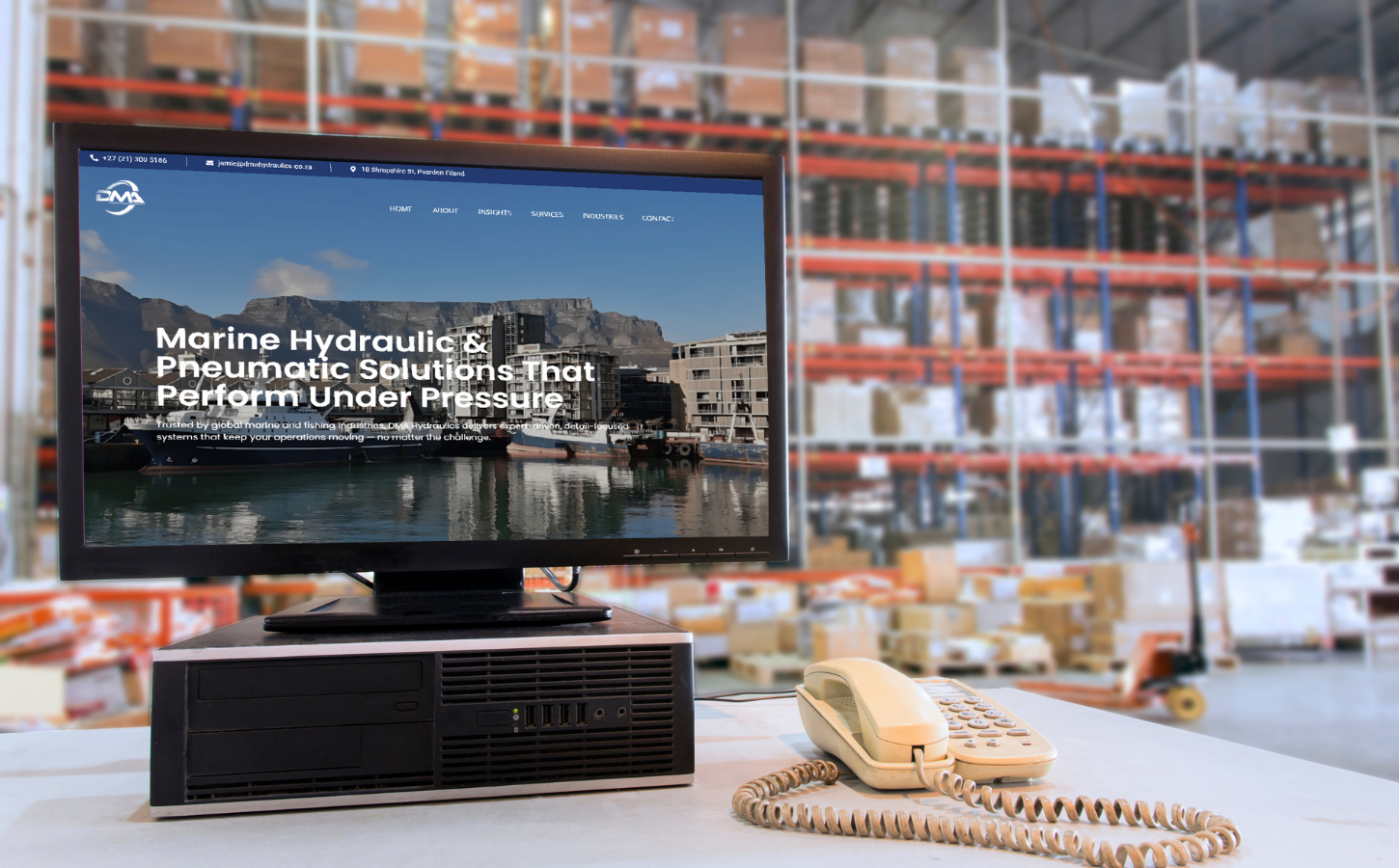
DMA Hydraulics
Client Spotlight: DMA Hydraulics – A Website Revamp with Room to Grow We’re excited to welcome DMA Hydraulics as one of our latest clients. With over 30 years of experience in hydraulic system repairs and maintenance, DMA Hydraulics is well known for its specialised work across the marine, industrial, and construction sectors. When they approached us, their existing one-page website no longer reflected the scale or credibility of their business. They needed something more modern, functional, and scalable—and we were ready to deliver. The Challenge DMA’s previous website was limited in both design and functionality. It lacked depth, mobile responsiveness, and search engine structure. More importantly, it didn’t showcase the company’s wide-ranging expertise or allow them to publish regular content. Without a blog section or clear service breakdown, they were missing out on valuable SEO opportunities and lead generation potential. Our Solution We started with a fresh layout and a new page structure, designed to give DMA the flexibility they need to grow their online presence. The updated site maintains their brand identity while improving navigation, readability, and performance across all devices. Key improvements included: Clean, responsive design tailored to their industry Dedicated service pages to clearly outline what they do New blog section for regular content publishing and SEO Better technical structure for search engine visibility Scalable framework to allow for future pages, case studies, and contact forms DMA Hydraulics – Why It Matters For a technical company like DMA Hydraulics, credibility and clarity are essential. Their clients need to trust in their capability and experience from the moment they land on the site. By expanding beyond a single page, DMA can now: Share updates and news via the blog Target keywords relevant to marine and industrial hydraulics Showcase client case studies Improve their visibility in local and industry-specific searches What’s Next? We’ll be supporting DMA Hydraulics with SEO strategy, blog content creation, and ongoing technical updates to ensure their new platform keeps delivering results. The blog will play a key role in building long-term organic traffic and positioning them as an authority in their space. We’re proud to work with businesses that have real expertise and track records—and DMA fits that perfectly. Looking to upgrade your website?Whether you’re a small business or an industry leader, we help you build digital platforms that support growth and performance. 👉 Visit their website: DMA Hydraulics 👉 Contact us today to start your website revamp.

Top Social Media Marketing Strategies That Work in 2025
Top Social Media Marketing Strategies That Work in 2025 Social media marketing continues to evolve. In 2025, staying ahead means adapting to user behavior, platform changes, and data-backed strategies. If you’re managing a brand, running an agency, or building your own presence, you need to know what works right now. These are the social media marketing strategies that drive results in 2025. 1. Short-Form Video Still Leads Short-form video content remains the top-performing format. Platforms like TikTok, Instagram Reels, and YouTube Shorts have shaped how users consume content. The key is to grab attention quickly. Start strong, deliver value fast, and always include a call to action. What works in 2025: Native storytelling, behind-the-scenes, and product demos Subtitles for accessibility and clarity Optimized vertical formats for mobile Calls to action within the first 3–5 seconds People want content that’s easy to consume and quick to engage with. If you’re not already leveraging short-form video, start now. 2. Community-Driven Content Wins People trust people, not brands. That’s why community-driven content is powerful. In 2025, brands are putting community first by using customer stories, testimonials, and shared user content to build trust. Focus on: Encouraging user-generated content (UGC) Responding to comments and DMs Featuring your followers in your content Creating feedback loops through polls and questions Communities are built through consistent, genuine interaction. When your audience feels seen, they stick around. 3. Cross-Platform Consistency Each platform has its own strengths, but your message should stay consistent. Users jump between apps quickly. If your tone, visuals, or offers shift too much, you lose recognition. In 2025, successful brands: Maintain a unified brand voice across platforms Repurpose content tailored to each platform’s style Use the same core message across different formats Consistency doesn’t mean repetition. It means aligning your tone, values, and message everywhere you show up. 4. AI-Driven Content Strategy AI tools help marketers work smarter. They assist with scheduling, analytics, caption generation, and performance predictions. In 2025, using AI to optimize content isn’t optional. It’s standard. Use AI tools to: Analyze engagement data Generate first-draft captions Track keyword trends Predict high-performing content formats But remember: AI supports, not replaces. Always apply your strategy and voice to the content. 5. Personalization Through Segmentation Not all followers are the same. Smart brands are segmenting their audiences to deliver targeted content. Instagram Close Friends, Facebook Groups, or segmented email integrations can help personalize your strategy. Try this: Segment users based on engagement level or interests Create exclusive content for VIP followers or top fans Test targeted offers and promotions by audience group Personalized content increases click-through rates, drives conversation, and builds deeper loyalty. 6. Social Search Optimization Users are now searching within social apps instead of Google. That changes how you write captions, tags, and descriptions. In 2025, treat every social post like searchable content. To do this: Use clear, keyword-rich captions Add alternative text (alt text) to your images Include hashtags that reflect real user intent Optimize bios and About sections with location and services If someone types “best social media tips” into TikTok, make sure your content appears. This trend will only grow stronger. 7. Influencer Collaboration That Feels Real Influencer marketing still works—but only when it feels authentic. People spot paid ads immediately. They ignore generic endorsements. In 2025: Choose influencers who actually use your product Focus on long-term collaborations, not one-off campaigns Let creators control the message in their voice Track real conversions, not just vanity metrics Authentic influence is about trust. Partner with creators who genuinely align with your brand. 8. Platform-Native Selling Social media is now a shopping platform. With Instagram Shops, Facebook Marketplace, and TikTok Shop, users can buy directly without leaving the app. You need to make it easy. Optimize your profiles by: Linking directly to product pages Tagging products in posts and videos Using highlight reels for top sellers Featuring limited-time offers to create urgency The smoother the path from scroll to checkout, the better your sales performance. 9. Data-Backed Content Testing Guessing is out. Testing is in. In 2025, the most effective social strategies are data-driven. Split test your content and iterate quickly. To do this: Track performance by format, time, and messaging A/B test captions and hooks Analyze video watch times to improve retention Use insights to drive future content decisions If a strategy isn’t working, don’t keep posting blindly. Adjust and re-test based on what the data says. 10. Social Proof and Trust Elements Before users follow or buy, they check your credibility. Make sure your social pages build trust fast. Include: Client testimonials and success stories Case studies in carousel posts Ratings and reviews linked from your profiles Behind-the-scenes proof of your team or process These elements tell potential customers that you’re real, active, and delivering value. 11. Always-On Storytelling Stories are where people check in daily. In 2025, you need a consistent, always-on story strategy. This means showing up regularly with relevant, non-salesy content. Stories should: Highlight daily updates or mini-journeys Feature team members and processes Use polls and Q&As to increase interaction Include countdowns and limited-time calls to action Story content doesn’t need to be polished. It just needs to be present. 12. Purpose-Led Positioning Users want to follow brands that stand for something. In 2025, businesses with clear missions gain more loyalty and attention. Clarify: What your brand values The impact you want to make How your product or service helps your audience Purpose is part of your positioning. Make it visible in your social content and pinned posts. If you’re building your digital strategy for 2025, focus on these social media marketing strategies. They’re based on how people actually behave today. Test, measure, and evolve your content often. Focus on connection. And keep your approach simple and clear. Need help building your 2025 social strategy? Let’s work together to design content that converts. Whether you need short-form video, daily engagement, or complete brand alignment—we’re ready. 👉 Schedule a Free Discovery Call👉 View Our Social Media Services Ready to