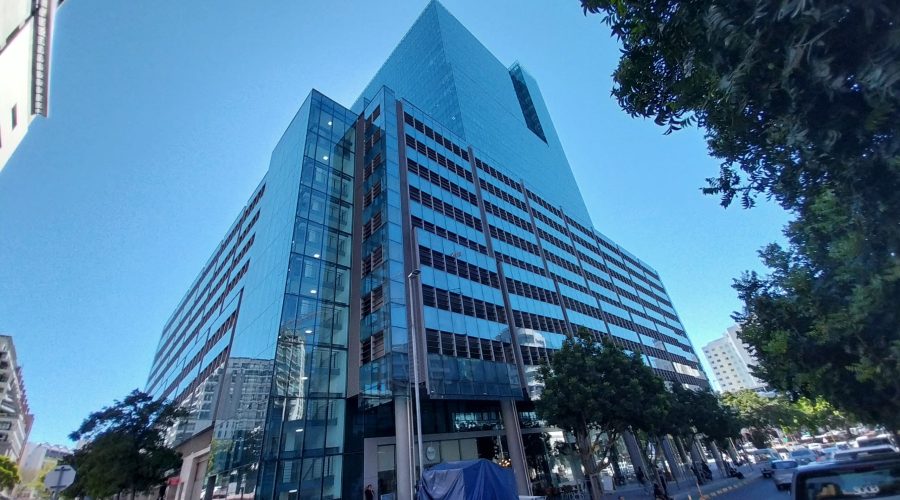

Many commercial property businesses believe that a modern website automatically leads to strong Google rankings. In reality, some of the most visually impressive commercial real estate websites struggle to generate organic traffic, rank competitively, or produce qualified enquiries. A polished design alone is not enough. Search visibility depends on structure, strategy, content quality, technical performance, and topical authority. Over the past few years, we’ve worked with businesses across the commercial property sector and noticed the same pattern repeatedly: companies invest heavily in branding and design, but overlook the factors that actually influence search performance.
Design Does Not Equal SEO Performance
A typical property website has hundreds of listings, but very little content that helps Google understand what the business specialises in, which locations it serves, or why its pages deserve to appear ahead of competing agencies. Property listings alone are rarely enough. Listings come and go. They often contain limited descriptions, duplicated landlord information and very similar wording across multiple websites. Once a property is leased or sold, the page may disappear completely. That creates a weak long-term SEO foundation. The commercial property websites that perform better tend to build permanent content around the searches tenants and buyers actually make.
One of the biggest misconceptions in the commercial property sector is that a premium-looking website will naturally rank well in search engines. This is rarely the case. Many property websites are built primarily around:
- Large visuals
- Animations
- Minimal text
- Complex layouts
While these elements can improve presentation, they often create SEO problems including:
- Slow page speed
- Poor mobile performance
- Weak content depth
- Unclear page structure
Search engines need clarity. They need to understand:
- What your business does
- Where you operate
- What services you offer
- Which pages are most important
If your website focuses more on aesthetics than structure, rankings usually suffer.
Most Commercial Property Websites Lack Topical Depth
Another major issue is thin content. Many commercial real estate websites contain short area pages, basic property listings, generic service descriptions and duplicated location content. This creates weak topical authority. Google increasingly rewards websites that demonstrate depth and expertise within a subject area. A commercial property business should not only list available space. It should also provide:
- Market insights
- Area guides
- Leasing advice
- Tenant resources
- Investment commentary
- SEO-structured location content
The businesses that consistently rank well are usually those investing in useful, detailed content that supports both users and search engines. Another common problem is poor website architecture. Google needs clear relationships between location pages, building pages, property listings and market content. If every listing sits in isolation, the website loses much of its SEO value. A strong commercial property website should connect these pages logically. Structure helps Google understand the site while making it easier for prospective tenants to find relevant properties.
Poor Website Structure Hurts Rankings
Search engines rely heavily on website structure to understand content relationships. Many commercial property websites have disconnected service pages, poor navigation, inconsistent URLs and weak internal linking. As a result, search engines struggle to determine which pages matter most, how topics connect as well as what the overall authority of the site is
A strong SEO structure should clearly connect:
- Area pages
- Service pages
- Blog content
- Property listings
This creates a logical content ecosystem that improves crawlability and strengthens authority flow across the site. Technical SEO matters too, but it cannot compensate for weak content. Improving page speed, schema, image sizes, indexing and Core Web Vitals is important. But a technically sound website with thin location pages will still struggle against a competitor publishing stronger market-focused content. The biggest mistake commercial property companies make is treating SEO as a once-off website project. Commercial property search changes constantly. Buildings gain vacancies. Rentals change. New developments enter the market. Vacancy levels shift. Businesses relocate.
Websites that consistently update key location pages, publish useful market information and connect that content to active listings create a much stronger search presence. The objective should not simply be to rank a property listing. It should be to make Google recognise your website as one of the strongest sources of commercial property information for the markets you serve.
Property Listings Alone Are Not Enough
A large property inventory does not guarantee search visibility. Many property websites rely entirely on listings to generate traffic. The problem is that listings are often:
- Temporary
- Duplicated across platforms
- Low in content value
- Removed frequently
This creates unstable SEO performance. Long-term organic growth comes from evergreen content that remains relevant over time.
Examples include:
- Area profiles
- Leasing guides
- Office relocation advice
- Commercial property trends
- Tenant representation insights
These pages continue attracting traffic long after individual listings expire.
Technical SEO Is Often Ignored
Technical SEO problems are extremely common in the commercial property sector.
Typical issues include:
- Duplicate metadata
- Indexing problems
- Poor mobile usability
- Oversized images
- Slow loading speeds
- Broken internal links
- Incorrect schema markup
Many businesses never identify these issues because the website appears visually functional. However, search engines evaluate far more than appearance.
Local SEO Is Critical for Commercial Property
Commercial property searches are highly location-driven.
Businesses search for:
- Office space in Century City
- Warehouses in Montague Gardens
- Commercial property in Sandton
- Industrial space in Johannesburg
If your website does not clearly define:
- Areas served
- Property sectors
- Location relevance
you lose visibility for high-intent searches.
SEO Requires Consistency
One of the biggest reasons commercial property websites fail to rank is inconsistency. SEO is not a once-off task completed during website launch. It requires ongoing optimisation, regular content development, technical maintenance, internal linking improvements and content updates. Many websites launch with strong intentions but remain unchanged for years. Over time:
- Competitors improve
- Search behaviour changes
- Google updates its algorithms
Without consistent refinement, rankings decline.
AI Search Is Changing SEO
Search visibility is also evolving beyond traditional rankings.
AI-powered search systems now analyse:
- Content clarity
- Authority
- Structure
- Direct answers
- Topical relationships
Commercial property websites that rely only on listings and thin pages are increasingly struggling in AI-driven search environments. Businesses need content that:
- Answers real questions
- Explains processes clearly
- Demonstrates expertise
- Supports decision-making
The future of SEO is no longer just about rankings. It is about becoming a trusted source of information.
What Strong Commercial Property SEO Looks Like
The commercial property websites that perform best usually share the same characteristics:
- Clear website structure
- Detailed area content
- Strong technical SEO foundations
- Useful educational content
- Location-focused optimisation
- Consistent internal linking
- Ongoing content development
Most importantly, they are built around user intent rather than appearance alone. A visually impressive website may help build credibility, but it does not guarantee search visibility.
Commercial property SEO requires:
- Strategy
- Technical structure
- Topical authority
- Consistency
- Useful content
Success in commercial property SEO does not happen by accident. Over the years, we have worked with a range of commercial real estate businesses across Cape Town, helping them improve search visibility, strengthen their digital presence, and compete more effectively in highly competitive markets. Our experience includes working on websites targeting office space, industrial property, retail space, and commercial investment sectors, with a strong focus on structure, content strategy, technical SEO, and long-term organic growth. Many of the websites we have worked on now rank competitively across key commercial property search terms in Cape Town, generating consistent visibility and qualified enquiries through organic search.
I need a website for my small business in South Africa, where do I start?
Start by defining what you need the website to do for your business, specifically and commercially. Then find a designer who asks you that same question before they quote. The research and strategy that happen before any design begins will determine whether the finished site performs or simply exists.
If your commercial property website is not delivering the visibility or lead generation you expected, the issue is rarely the market itself. In most cases, the problem lies in the website structure, content strategy, technical SEO, or overall positioning. We help commercial property businesses identify those gaps and build digital platforms designed for long-term growth, stronger rankings, and measurable business results. Speak to our team about how we can help improve your commercial property website, SEO strategy, and online visibility.